Cape May Lighthouse sits at the southern tip of Cape May Point, surrounded by the Cape May Point State Park and within reach of some of New Jersey's most visited Victorian-era streets. Staying in a centrally located hotel here means having the lighthouse, the beach, and the historic downtown district all within a manageable distance - without needing to rely heavily on a car for every outing. This guide covers 7 central hotels near Cape May Lighthouse, comparing their proximity, facilities, and real booking value so you can make a grounded decision before reserving.
What It's Like Staying Near Cape May Lighthouse
The area surrounding Cape May Lighthouse is quieter and more residential than Cape May's Victorian downtown core, centered roughly around Washington Street Mall and Congress Hall. Cape May Point itself - where the lighthouse stands - is a small, low-traffic village with almost no commercial activity, which means staying close to the lighthouse usually means staying in Cape May's central historic district and traveling the around 3.4 miles out to the lighthouse by bike or car. Most central hotels in Cape May are within walkable reach of the beach, Victorian mansions, and key restaurants, while the lighthouse remains a short ride away rather than a doorstep destination.
The town draws significant summer crowds from late June through Labor Day, with Carpenter Street, Beach Avenue, and the Washington Street Mall acting as the main arteries of foot traffic. Outside these months, the atmosphere shifts dramatically - streets quiet down, some properties reduce services, and the natural landscape around the lighthouse becomes the main draw.
Pros:
- Central Cape May hotels place you within walking distance of the beach, Victorian district restaurants, and carriage tours - eliminating the need for daily car use in town
- Cape May Point State Park, adjacent to the lighthouse, offers birding trails and a free beach with far lower foot traffic than downtown beaches
- Bike rentals are widely available from central hotels, making the lighthouse run a practical 20-minute ride rather than a logistical challenge
Cons:
- The lighthouse itself has no walkable hotel cluster - guests staying near it are in an almost entirely residential zone with limited dining and no shopping
- Summer weekend parking near Cape May Point State Park fills up before 10am, affecting guests who drive out independently
- Central Cape May hotels book out weeks ahead during peak summer; last-minute availability in July and August is extremely limited
Why Choose Central Hotels Near Cape May Lighthouse
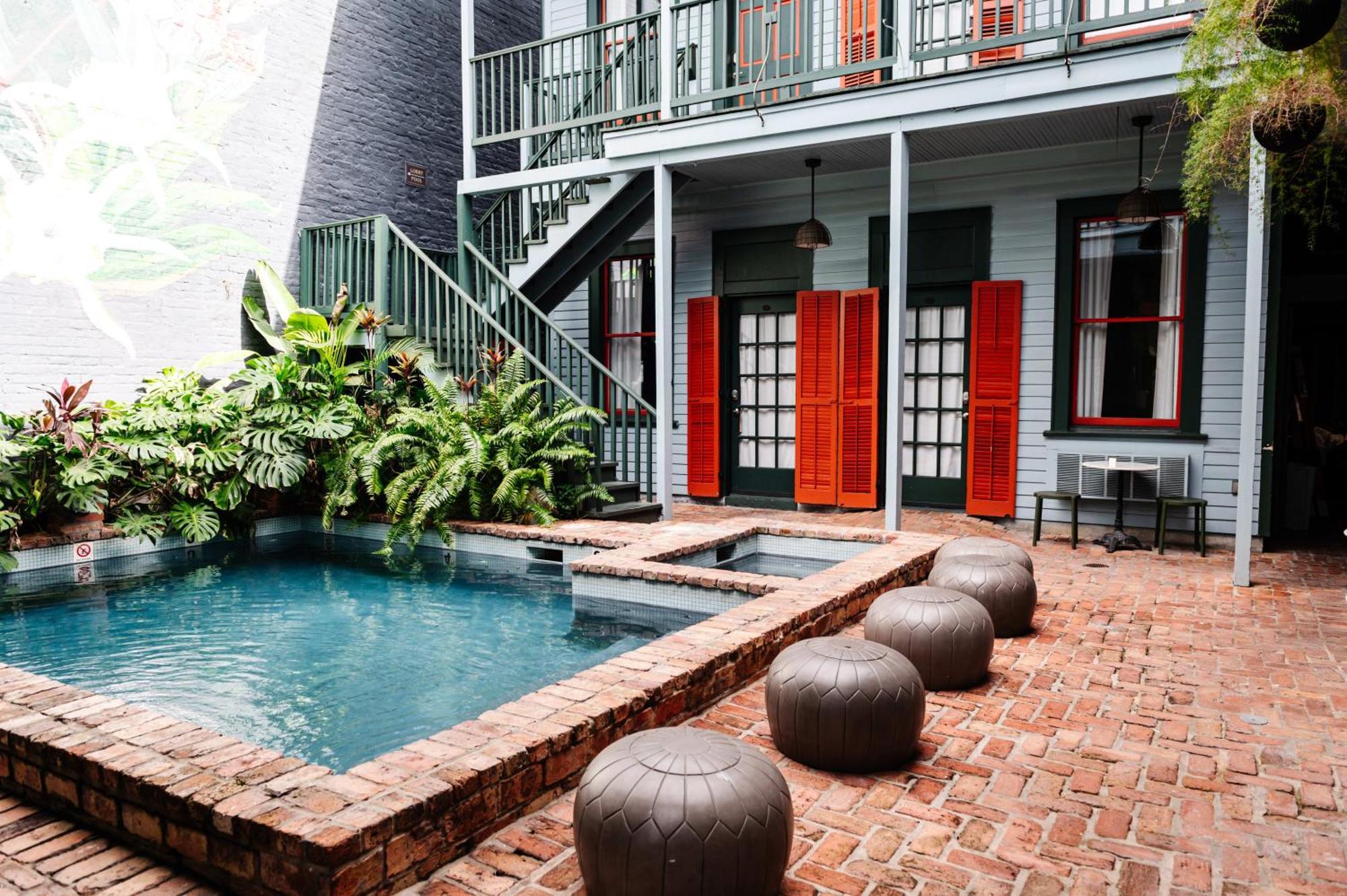
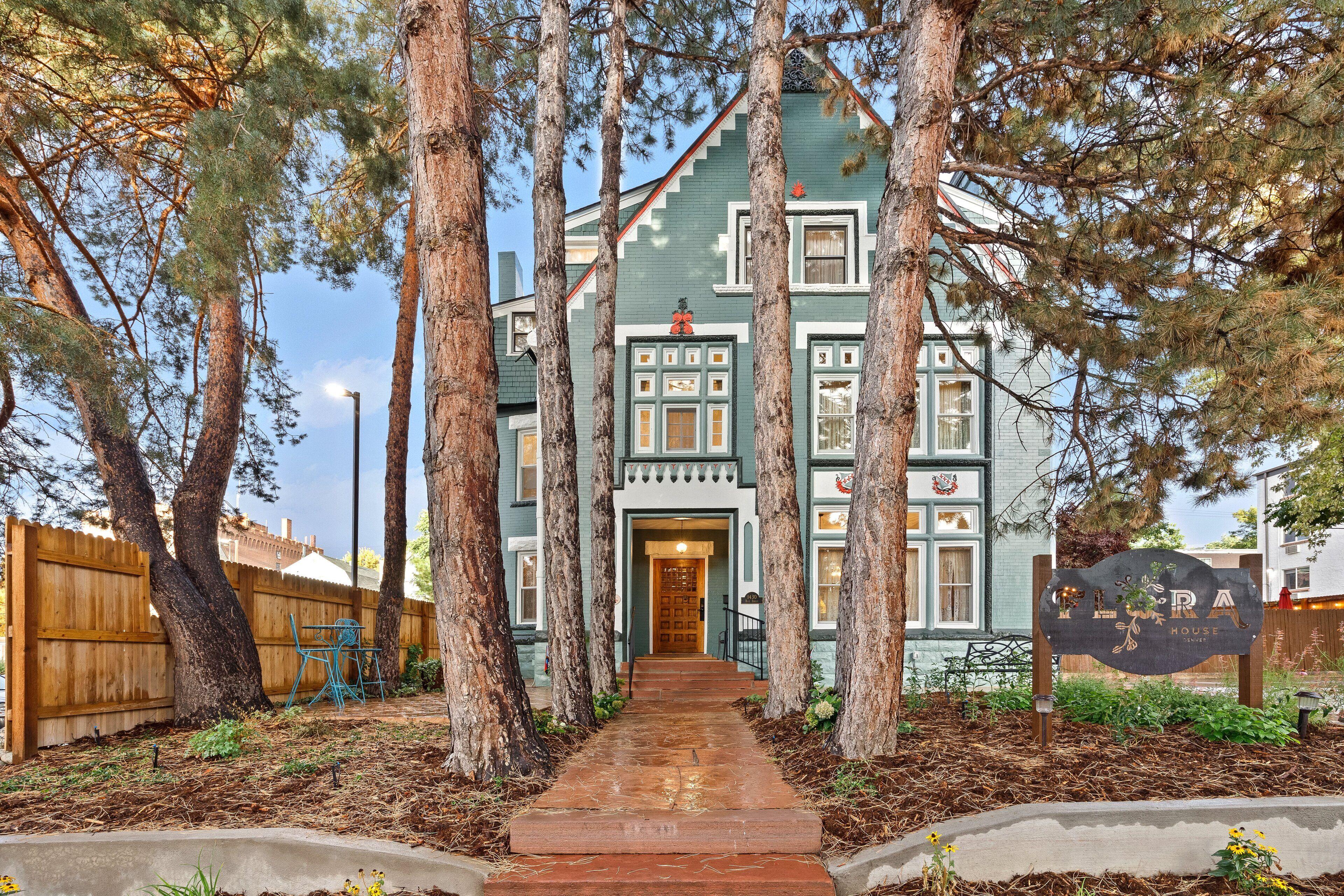
Central hotels in Cape May - primarily bed and breakfasts and historic inns along Beach Avenue, Columbia Avenue, and Hughes Street - occupy Victorian-era buildings that define the town's character. Unlike chain accommodations further up the Garden State Parkway, these properties are small-scale, typically under 20 rooms, and positioned within a few blocks of the main beach access points and the core dining strip. The trade-off is room size: Victorian B&Bs often feature charming but compact layouts, with some units lacking private outdoor space despite commanding premium rates in summer.
Pricing in this central zone reflects both location and historic character - summer rates at well-reviewed inns regularly exceed $300 per night, while properties slightly further from the beachfront or with fewer amenities can be found closer to $150 per night. The centrality matters most for guests who want to explore Cape May on foot and use the lighthouse as a day-trip destination rather than a base, which is how around 90% of lighthouse visitors actually approach it.
Pros:
- Central B&Bs and inns typically include gourmet breakfast, which offsets the cost compared to self-catering or dining out in Cape May's restaurant-heavy core
- Free bike access - offered by several properties - makes the central location functionally equivalent to staying near the lighthouse itself for most activities
- Staying centrally gives access to Cape May's evening dining and ghost tour scene, which is nonexistent in the quiet Cape May Point area
Cons:
- Peak summer rates at central Victorian inns are among the highest per-square-foot in New Jersey's shore towns relative to actual room size
- Parking at most central Cape May inns is limited to one car per room, making multi-vehicle groups logistically awkward
- Historic building construction means noise insulation between rooms is often minimal, which affects light sleepers during busy weekends
Practical Booking & Area Strategy
For the best balance of access and walkability in Cape May, properties along Beach Avenue and Columbia Avenue sit closest to the ocean and within a few blocks of the Washington Street Mall pedestrian shopping zone. Hughes Street and Ocean Street parallel these and offer slightly lower-traffic settings while keeping the same access radius. From these central streets, Cape May Lighthouse is around 3.4 miles southwest - a straightforward 20-minute bike ride along Sunset Boulevard, which is a flat, low-traffic route frequently used by cyclists.
Cape May's prime season runs Memorial Day through Labor Day, with the highest rates and tightest availability concentrated in July and August. Booking 6 weeks or more in advance is the standard advice for summer weekend stays at the better-reviewed inns. The shoulder season - late May and September through October - offers meaningfully lower rates and uncrowded lighthouse visits, and the fall hawk migration at Cape May Point State Park draws serious birders who often find this the most rewarding time to visit. Beyond the lighthouse, central Cape May hotels sit within easy reach of the Emlen Physick Estate (Cape May's Victorian house museum), Cape May-Lewes Ferry terminal, the Washington Street Mall, and the Nature Center of Cape May - all accessible without a car from the town's core.
Best Value Stays
These properties offer strong location and core amenities at the more accessible end of Cape May's central hotel pricing, making them practical choices for travelers who want proximity to town without committing to the highest-tier rates.
-
1. Casablanca
Show on map


 Check-infrom 14:30 until 20:30Check-outfrom 10:00 until 11:00
Just a few rooms left at the best rate!
fromUS$ 489
-
2. The Harrison Inn
Show on map


 Check-infrom 16:00 until 19:00Check-outfrom 07:00 until 11:00
Just a few rooms left at the best rate!
fromUS$ 386
-
3. Boarding House Cape May
Show on map


 Check-infrom 16:00 until 23:59Check-outuntil 11:00
Just a few rooms left at the best rate!
fromUS$ 459
-
4. Captain Mey'S Inn
Show on map


 Check-infrom 15:00 until 18:00Check-outuntil 11:00
Hurry – almost gone at this price!
fromUS$ 311
Best Premium Stays
These properties sit at the upper end of Cape May's central accommodation market, offering expanded facilities, historic character, or room quality that justifies the higher nightly rate for travelers who want more than a functional base.
-
5. The Queen Victoria
Show on map


 Check-infrom 15:00 until 19:00Check-outfrom 08:00 until 11:00
Hurry – almost gone at this price!
fromUS$ 294
-
6. Bedford Inn
Show on map


 Check-infrom 15:00 until 17:00Check-outfrom 08:00 until 11:00
Rooms filling fast – secure the best rate!
fromUS$ 138
-
7. Congress Hall
Show on map


 Check-infrom 15:00 until 23:59Check-outuntil 11:00
Rooms filling fast – secure the best rate!
fromUS$ 234
Smart Travel & Timing Advice for Cape May Lighthouse Visits
Cape May's tourist season compresses heavily into a 10-week window from late June through Labor Day, and central hotel rates during this stretch reflect that demand - properties that cost $150 per night in May can exceed $350 for the same room on a July Saturday. Booking at least 6 weeks ahead for any summer weekend stay is the minimum buffer; the most popular inns along Beach Avenue and Columbia Avenue often fill their summer calendar by April. The shoulder windows - late May through mid-June and the entire month of September - deliver significantly lower rates with almost no reduction in what Cape May itself offers: beaches are open, restaurants are running, and the lighthouse operates its full schedule.
October is specifically worth flagging for the Cape May Lighthouse area: the Cape May Point State Park hosts one of the most active hawk migration corridors on the East Coast, drawing serious birders and keeping occupancy higher than a typical October shore town. A 2-night stay is the standard minimum to see the lighthouse, walk the Point, explore the Victorian district, and do an evening in Cape May's dining scene without feeling rushed. Last-minute summer availability in Cape May is genuinely rare - unlike larger shore markets, the small room counts at most central inns mean cancellations rarely open up significant inventory close to travel dates.