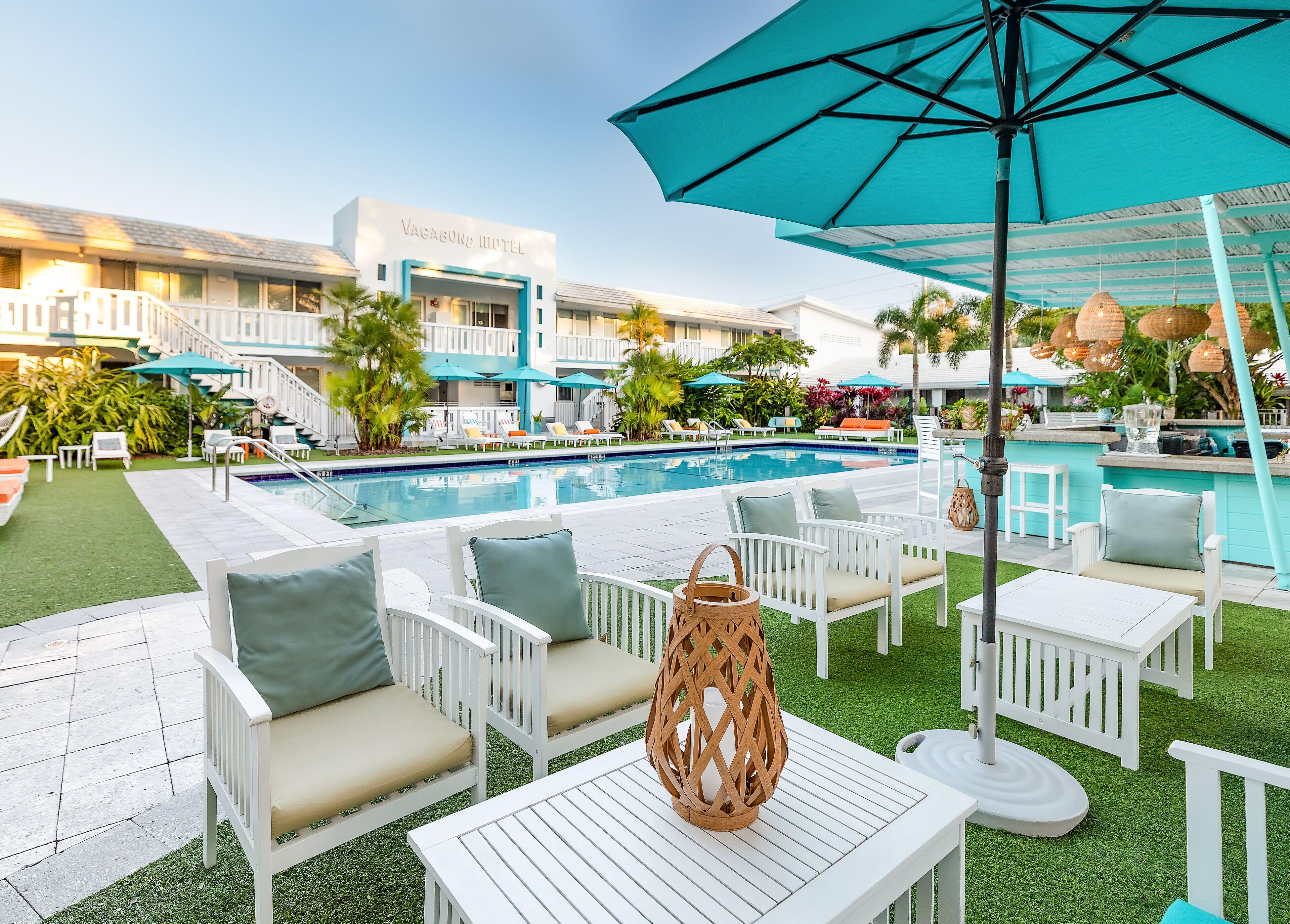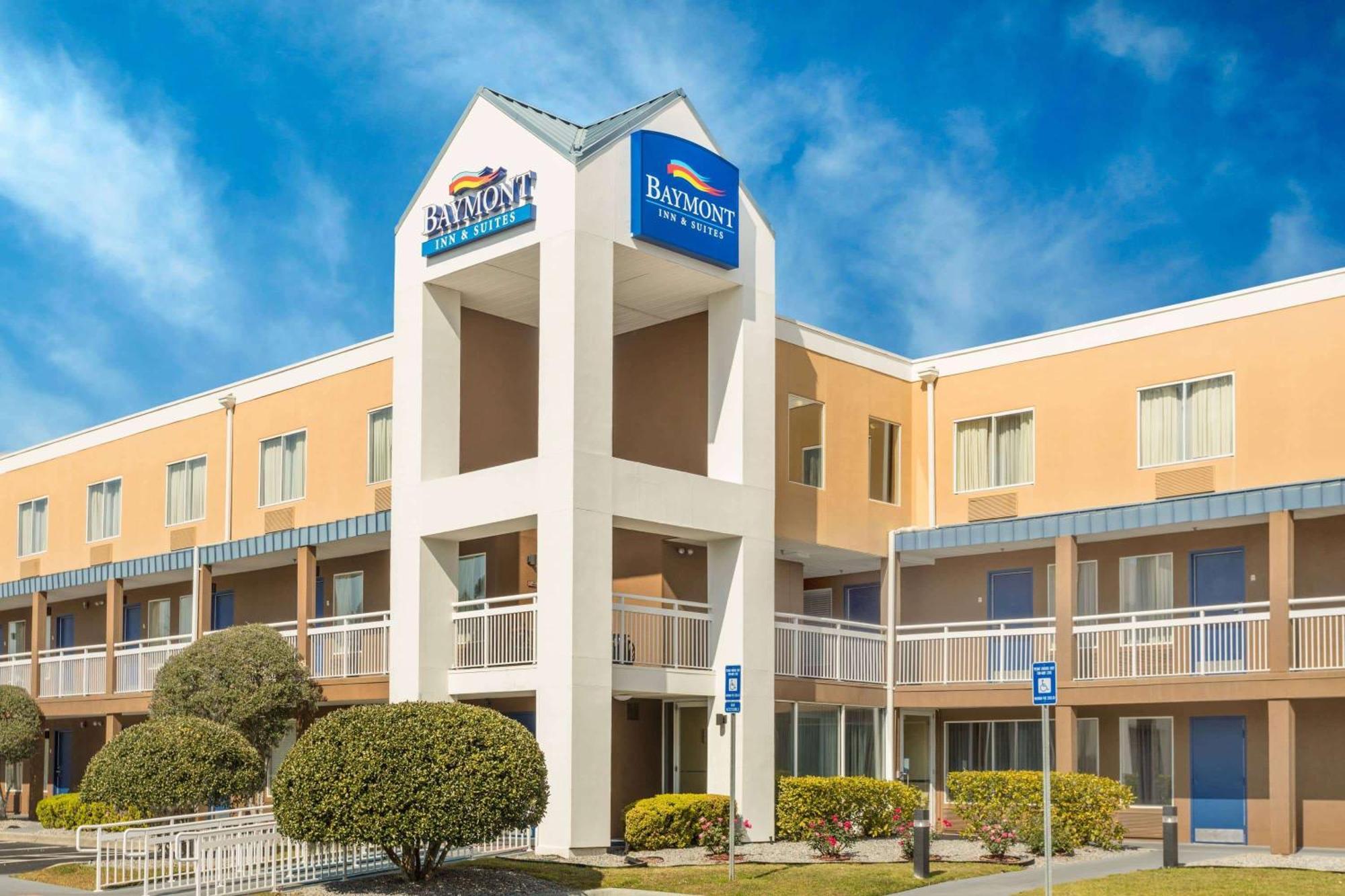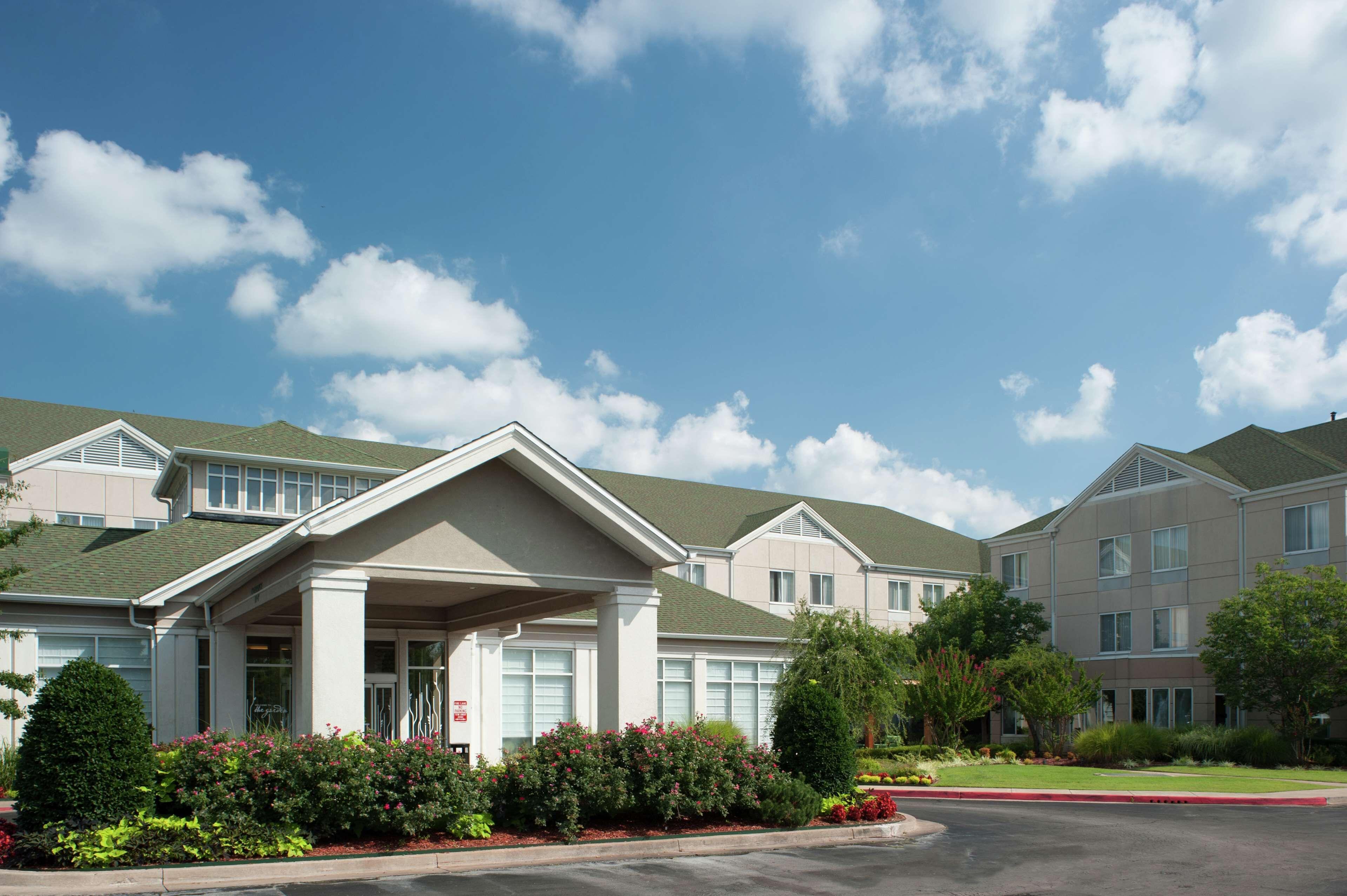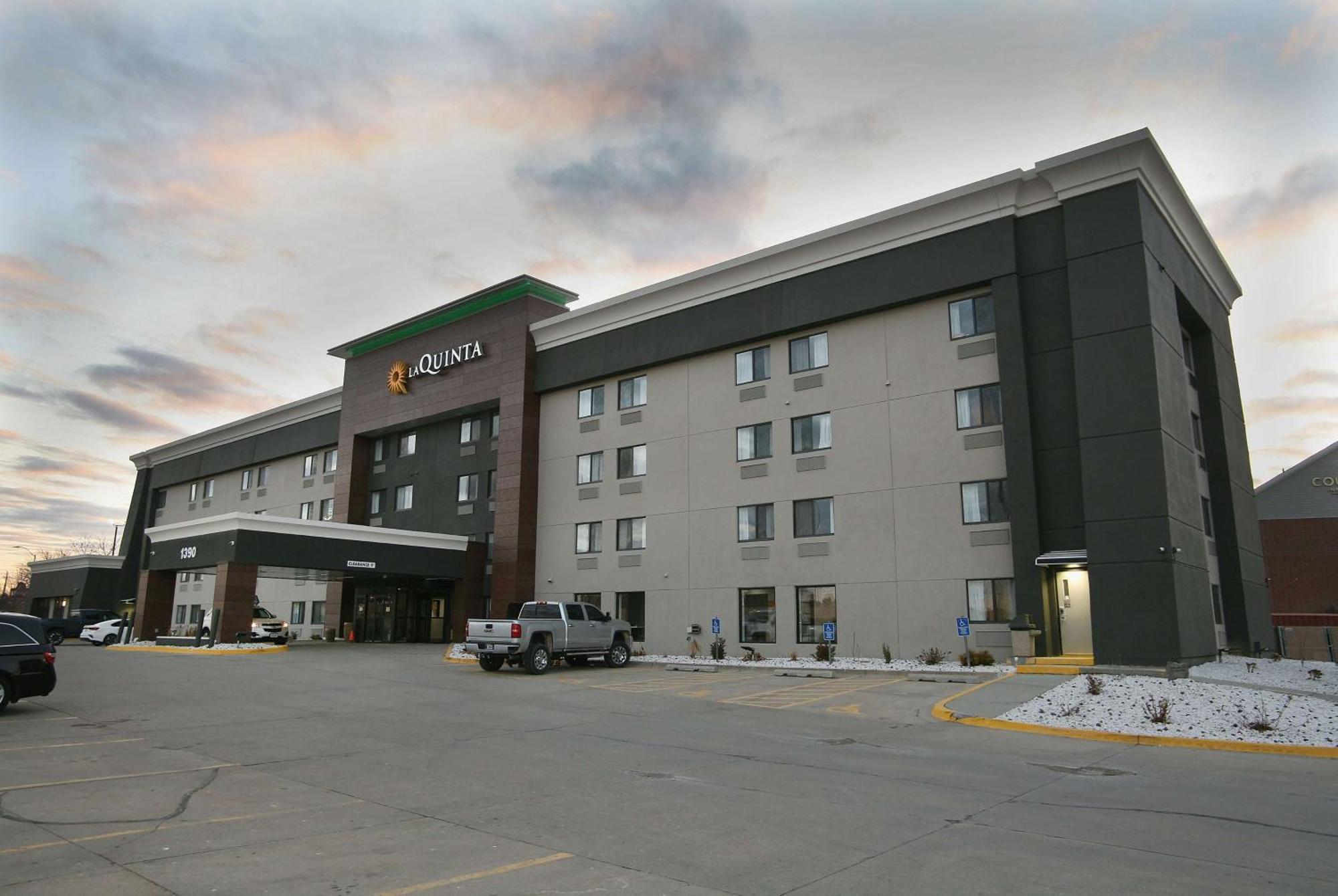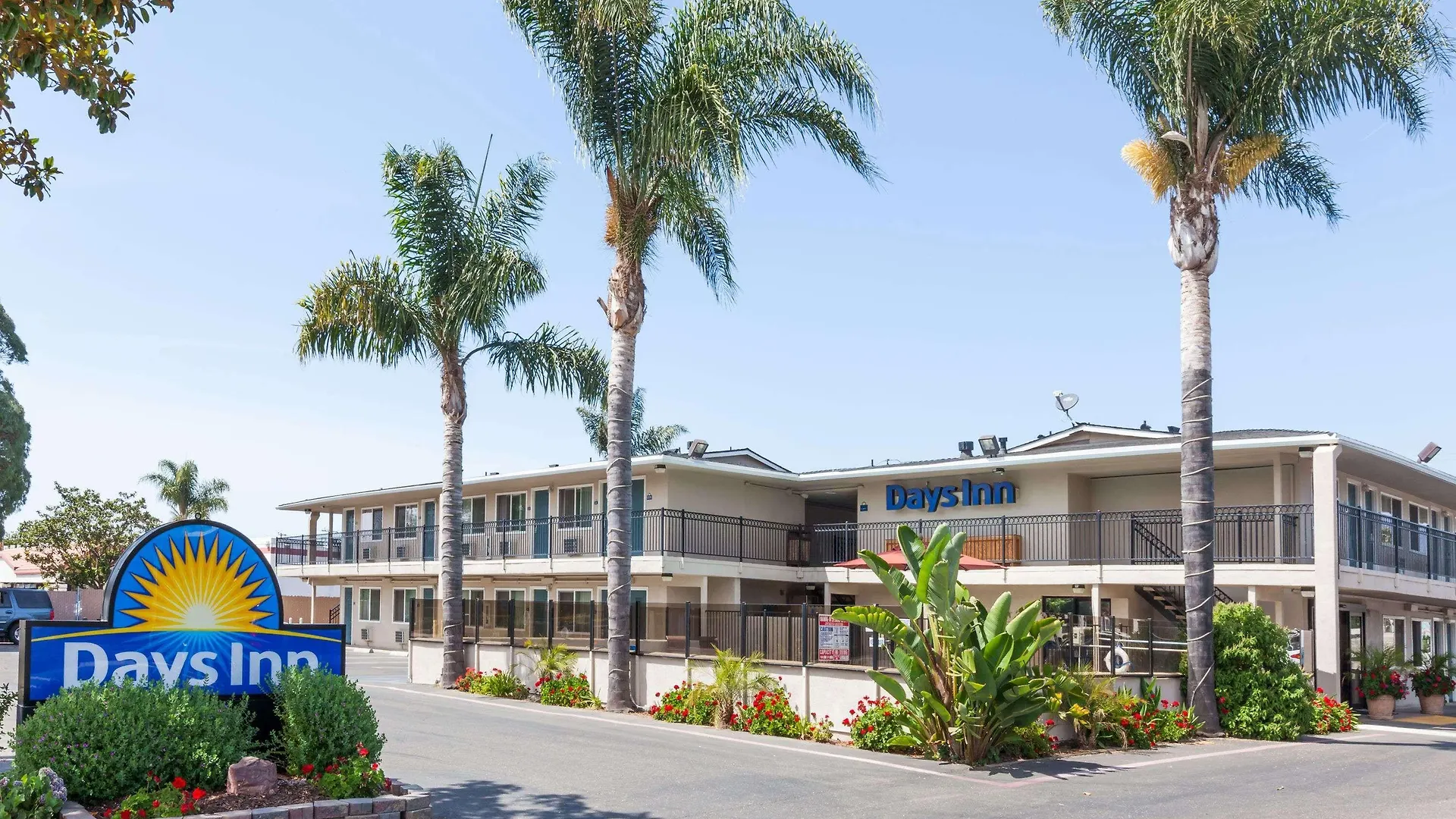
Central Coast California stretches roughly 400 miles between Los Angeles and San Francisco, running through wine country, coastal state parks, historic landmarks, and college towns. This guide covers seven hotels across the region - from beachfront stays in Marina and Santa Cruz to character-driven properties in Solvang and Buellton - helping you match the right property to your itinerary, budget, and travel style.
What It's Like Staying in Central Coast California
Central Coast California is defined by its dramatic coastal Highway 1, the Santa Ynez wine valleys, and a pace that sits between the energy of LA and the density of the Bay Area. Towns like Santa Cruz, Monterey, Solvang, and San Simeon each operate as self-contained destinations, which means your hotel location determines your entire experience - there is no single urban core connecting them. Driving is non-negotiable: public transport between towns is minimal, and most attractions are spread across around 30 miles of coastline and inland valleys.
Pros:
- Concentrated access to wine tasting, Hearst Castle, and Big Sur from a single base
- Significantly lower hotel rates than San Francisco or LA for comparable coastal quality
- Year-round mild climate reduces the need for peak-season timing
Cons:
- No Amtrak or bus connections between most Central Coast towns - a rental car is essential
- Fog is common along the coast from May through July, limiting beach usability
- Dining and entertainment options close early in smaller towns like San Simeon and Buellton
Why Choose Design-Forward Hotels in Central Coast California
Design hotels on the Central Coast lean into their surroundings rather than competing with them - Danish-inspired architecture in Solvang, dune-adjacent layouts in Marina, and surf-town aesthetic in Santa Cruz reflect a regionally grounded design language that chain hotels in the area rarely match. These properties tend to offer more distinctive room configurations, including multi-room units and themed interiors, while staying in a price bracket that is accessible compared to boutique hotels in Carmel or Pebble Beach. The trade-off is that some of these design-led properties prioritize character over amenities like on-site dining or concierge services.
Pros:
- Interiors and architecture tied to local identity - Danish, coastal, mission-style - rather than generic hospitality design
- Properties near wine country and state beaches offer outdoor spaces like fire pits, hot tubs, and bocce courts that match the lifestyle
- More flexibility in room size: several properties include suites sleeping up to 8 guests
Cons:
- Limited on-site dining at most properties - guests rely on nearby restaurants
- Some locations require driving even for basic errands or meals
- Design-forward rooms may prioritize aesthetics over workspace functionality for business travelers
Practical Booking & Area Strategy for Central Coast California
The Central Coast splits into three natural bases: Santa Cruz and Watsonville in the north (closest to Silicon Valley day-trippers and Monterey Bay Aquarium); the Monterey Peninsula and Marina corridor in the center (best for Pebble Beach golf, Big Sur access, and Cannery Row); and the Santa Ynez Valley and San Simeon corridor in the south (Solvang's Danish village, Hearst Castle, and wine tasting routes). Staying in Watsonville or Marina gives you flexibility to reach both Santa Cruz and Monterey within around 30 minutes. Solvang and Buellton are best for wine-focused itineraries, as Paso Robles wine country is under an hour north and Santa Barbara around 45 minutes south. Book at least 6 weeks ahead for summer and October wine harvest weekends, when coastal town rates spike significantly.
Top attractions within reach include Hearst Castle, the Monterey Bay Aquarium, Santa Cruz Beach Boardwalk, Pebble Beach golf courses, Carmel-by-the-Sea galleries, Morro Rock, and Big Sur. Wineries along the Foxen Canyon Wine Trail and near Solvang are walkable or bikeable from select properties.
Best Value Stays
These properties deliver strong location value and practical design at accessible price points - a solid base for road-tripping the Central Coast without overspending on accommodation.
-
1. Days Inn By Wyndham Santa Maria
Show on map


 Check-infrom 15:00 until 23:59Check-outuntil 11:00
Just a few rooms left at the best rate!
fromUS$ 186
-
2. Motel 6-Buellton, Ca - Solvang Area
Show on map


 Check-infrom 15:00 until 23:59Check-outuntil 11:00
Just a few rooms left at the best rate!
fromUS$ 96
-
3. Comfort Inn Watsonville
Show on map


 Check-infrom 15:00 until 14:30Check-outuntil 11:00
Just a few rooms left at the best rate!
fromUS$ 102
Best Premium Stays
These four properties bring the most distinctive character to their locations - whether beachfront positioning, Danish-inspired interiors, or proximity to Hearst Castle - and suit travelers who want their accommodation to be part of the Central Coast experience, not just a base.
-
4. Country Inn & Suites By Radisson, Monterey Beachfront-Marina, Ca
Show on map


 Check-infrom 15:00 until 23:59Check-outuntil 11:00
Hurry – almost gone at this price!
fromUS$ 108
-
2. Quality Inn Near Hearst Castle
Show on map


 Check-infrom 15:00 until 23:59Check-outuntil 11:00
Hurry – almost gone at this price!
fromUS$ 86
-
6. Continental Inn
Show on map


 Check-infrom 15:00 until 23:59Check-outuntil 12:00
Rooms filling fast – secure the best rate!
fromUS$ 239
-
4. The Hamlet Inn
Show on map


 Check-infrom 16:00 until 22:00Check-outfrom 06:00 until 11:00
Rooms filling fast – secure the best rate!
fromUS$ 139
Smart Travel & Timing Advice for Central Coast California
The Central Coast's peak season runs from late June through Labor Day, when coastal towns like Santa Cruz and San Simeon see hotel rates climb significantly and Hearst Castle tour slots sell out weeks ahead. May and June bring the marine layer - a thick coastal fog that can last until early afternoon along the shoreline, limiting beach visibility despite warm temperatures. The best weather window for combining beach, wine country, and sightseeing is September through November: crowds thin noticeably, the fog retreats, and wine harvest events in the Santa Ynez Valley and Paso Robles run throughout October. For Solvang and Buellton, the Danish Days festival in late September is a local peak that fills the smaller inns quickly. Book at least 6 weeks in advance for any summer weekend across the entire region. Off-season stays from December through February offer the lowest rates, and while whale migration along the coast is active, some outdoor pools and smaller attractions operate on reduced hours. A 3-night minimum makes logistical sense on the Central Coast - the driving distances between attractions reward slower pacing over rushed day trips.