The Midwest is one of the most underestimated regions in the United States for historically rich accommodation - from Victorian-era mansions in Ohio to lakeside lodges near Wisconsin's Door County Peninsula. These 15 hotels sit within reach of landmarks like Lambeau Field, the Wisconsin State Capitol, and the Missouri State Fairgrounds, giving travelers a genuine sense of place rather than a generic chain experience. Whether you're road-tripping through Illinois, exploring small-town Kansas, or attending an event in Green Bay, this guide breaks down the best historical hotels in the Midwest by value, location, and what each property actually delivers.
What It's Like Staying in the Midwest
The Midwest spans a vast corridor of American history - from the Great Lakes shoreline of Wisconsin and Ohio to the prairie towns of Kansas and the river cities of Indiana and Missouri. Most destinations are car-dependent, with airports like Green Bay Austin Straubel, Dane County Regional, and Kansas City International serving as entry points, but distances between attractions can exceed 80 km. Crowds are highly seasonal: summer brings peak tourism to Wisconsin's lakeside towns and Iowa's historic downtowns, while fall draws visitors to Ohio's cultural centers and Missouri's fairgrounds. Urban hubs like Madison and Sheboygan offer walkable cores, but smaller cities like Vincennes, Warrensburg, and Oakley reward travelers who arrive by car and plan multi-night stays.
Pros:
Significantly lower nightly rates than coastal US cities, often around 40% less for equivalent property quality
Proximity to authentic American history - Civil War routes, Native American heritage sites, and 19th-century architecture are accessible from most hotel locations
Free parking is standard across nearly all Midwest hotels, eliminating a major urban travel cost
Cons:
Public transit between cities is limited - Amtrak serves select corridors, but most travelers need a rental car
Peak summer weekends around events like Green Bay Packers games or Wisconsin festivals can reduce availability sharply
Smaller towns like Vincennes or Oakley offer fewer dining options within walking distance after 9 PM
Why Choose Historical Hotels in the Midwest
Historical hotels in the Midwest range from repurposed Victorian mansions with original architectural details to heritage-branded chain properties anchored near significant landmarks. Unlike generic business hotels, these properties are often positioned in or near historic districts, giving guests walkable access to courthouses, museums, and heritage trails without needing to drive. Three-star historical properties in the Midwest average around 20% lower nightly rates than equivalent hotels in Chicago or Indianapolis, while four-star options like the Hilton Madison Monona Terrace or Steele Mansion Inn provide genuine character at prices far below comparable East Coast boutique hotels. Room sizes tend to be generous compared to urban US markets, and many properties include amenities like indoor pools, hot tubs, and complimentary breakfast - features that add real daily value on multi-night heritage road trips.
Pros:
Historical positioning means proximity to museums, courthouses, and landmark buildings without added transport cost
Many properties include complimentary breakfast, reducing daily travel expenses on longer itineraries
Room sizes and parking availability consistently exceed what urban US markets offer at similar price points
Cons:
Some heritage properties have older HVAC or soundproofing compared to purpose-built modern hotels
Availability during major local events - Packers games, state fairs, university graduations - books out weeks in advance
Smaller historical inns may have limited on-site dining compared to full-service hotels
Practical Booking & Area Strategy for the Midwest
For Wisconsin-based stays, positioning in Madison, Sheboygan, or Lodi gives the best access to the state's cultural corridor - Madison's State Capitol, Lake Monona walking trails, and the Door County maritime heritage are all within a reasonable drive. Dane County Regional Airport sits just 24 km from Lodi, making it one of the most practical entry points for a Wisconsin historical road trip. In Ohio, Wooster and Painesville are ideal staging cities for travelers exploring the Western Reserve historical district and the Cleveland museum corridor, with Akron-Canton Regional Airport around 53 km away from Wooster properties. Kansas travelers should note that Emporia and Oakley sit along I-70, the historic transcontinental highway, making them natural stops on a cross-country drive. Missouri's Warrensburg is 44 km from Missouri State Fairgrounds and serves well as a base for central Missouri history exploration. Book at least 6 weeks ahead for summer weekends in Wisconsin and for any Green Bay Packers home game dates - availability drops sharply and prices spike notably during these windows. For Iowa and Kansas destinations like Ottumwa and Oakley, last-minute booking remains viable outside July and August.
Best Value Historical Hotels in the Midwest
These properties deliver strong historical context and practical amenities at accessible price points, spread across Wisconsin, Illinois, Kansas, Missouri, Indiana, Iowa, and Ohio. Each sits near a significant landmark or heritage corridor and includes facilities that make multi-night stays genuinely comfortable.
-
1. Americinn By Wyndham Sturgeon Bay
Show on map


 Check-infrom 16:00 until 23:59Check-outuntil 11:00
Best price guarantee
fromUS$ 151
-
2. Country Inn & Suites By Radisson, Freeport, Il
Show on map


 Check-infrom 15:00 until 23:59Check-outuntil 12:00
Just a few rooms left at the best rate!
fromUS$ 89
-
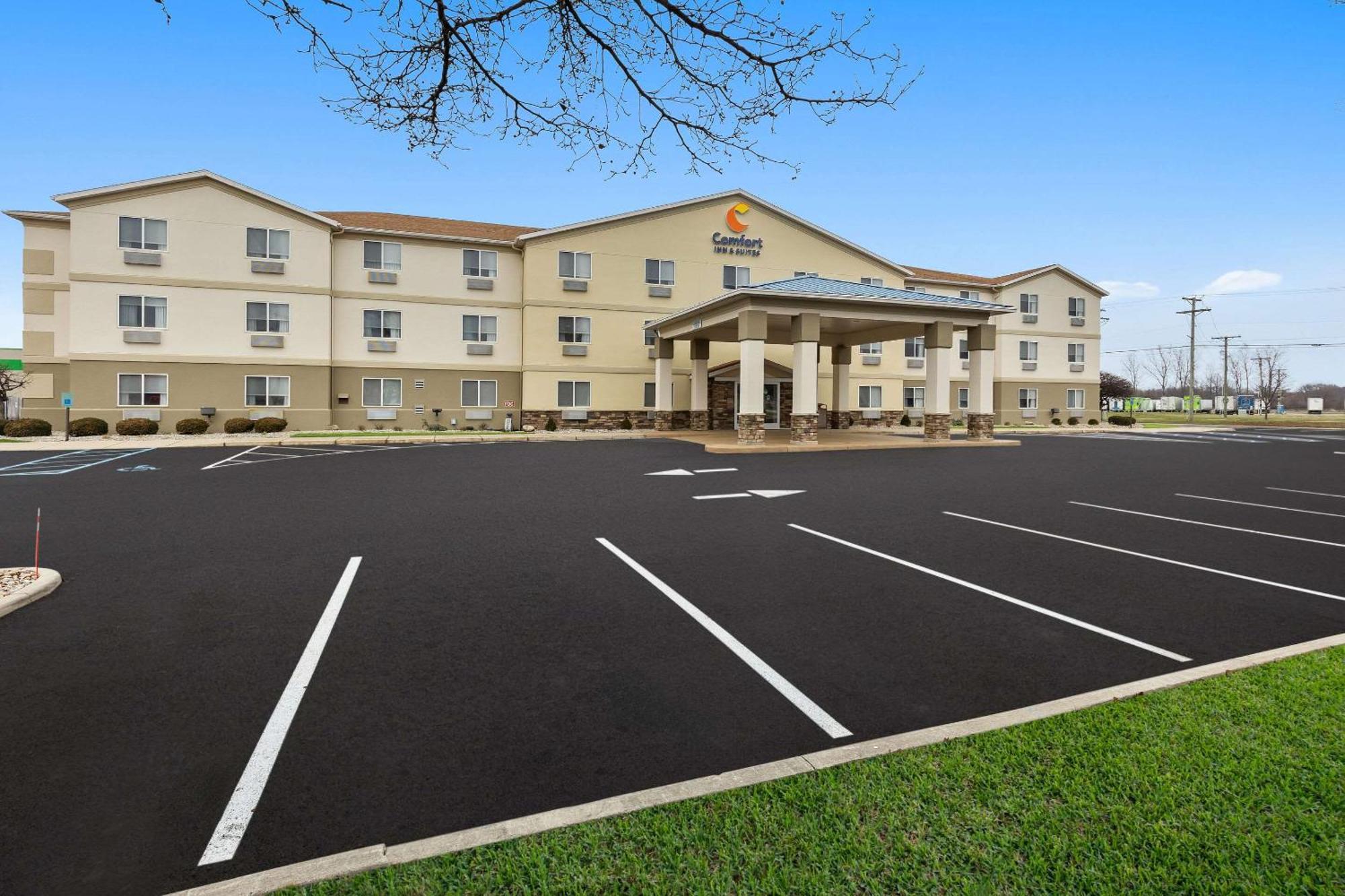
3. Comfort Inn & Suites Emporia
Show on map


 Check-infrom 15:00 until 23:59Check-outuntil 11:00
Best price guarantee
fromUS$ 80
-
4. Comfort Inn Warrensburg Station
Show on map


 Check-infrom 15:00 until 23:59Check-outuntil 11:00
Best price guarantee
fromUS$ 99
-
5. Quality Inn & Suites Lodi I-90
Show on map


 Check-infrom 15:00 until 23:59Check-outuntil 11:00
Rooms filling fast – secure the best rate!
fromUS$ 84
-
6. Holiday Inn Express Sheboygan-Kohler / I-43 By Ihg
Show on map


 Check-infrom 15:00 until 23:59Check-outuntil 12:00
Just a few rooms left at the best rate!
fromUS$ 134
-
7. Quality Inn Vincennes
Show on map


 Check-infrom 15:00 until 23:59Check-outuntil 11:00
Hurry – almost gone at this price!
fromUS$ 49
-
8. Quality Inn & Suites Ottumwa North
Show on map


 Check-infrom 15:00 until 23:59Check-outuntil 11:00
Rooms filling fast – secure the best rate!
fromUS$ 80
-
9. La Quinta Inn By Wyndham Wausau
Show on map


 Check-infrom 15:00 until 23:59Check-outuntil 11:00
Hurry – almost gone at this price!
fromUS$ 67
-
10. Sleep Inn & Suites Oakley I-70
Show on map


 Check-infrom 15:00 until 23:59Check-outuntil 11:00
Best price guarantee
fromUS$ 100
-
11. Baymont By Wyndham Green Bay
Show on map


 Check-infrom 15:00 until 23:59Check-outfrom 02:00 until 11:00
Best price guarantee
fromUS$ 64
-
12. Hampton Inn Wooster
Show on map


 Check-infrom 15:00 until 23:00Check-outuntil 11:00
Hurry – almost gone at this price!
fromUS$ 165
Best Premium Historical Hotels in the Midwest
These four-star properties deliver elevated historical character, superior on-site facilities, and landmark positioning - suited for travelers who want a more immersive and refined Midwest heritage experience.
-
1. Hilton Madison Monona Terrace
Show on map


 Check-infrom 16:00 until 23:59Check-outfrom 04:00 until 11:00
Best price guarantee
fromUS$ 155
-
2. Best Western Plus Wooster Hotel & Conference Center
Show on map


 Check-infrom 16:00 until 23:59Check-outuntil 11:00
Best price guarantee
fromUS$ 108
-
3. Steele Mansion Inn & Gathering Hub
Show on map


 Check-infrom 15:00 until 23:59Check-outuntil 11:00
Just a few rooms left at the best rate!
fromUS$ 149
Smart Travel & Timing Advice for Historical Hotels in the Midwest
The Midwest's historical hotel market has two clear peak windows: late June through August, when Wisconsin's lakeside towns, Iowa's heritage routes, and Missouri's fairgrounds attract the highest visitor volumes, and October, when fall foliage draws travelers to Ohio's Western Reserve and Wisconsin's Door County peninsula. Prices during these windows can spike by around 35% above shoulder season rates, and availability at smaller properties like Steele Mansion Inn or AmericInn Sturgeon Bay becomes genuinely constrained. For Green Bay specifically, any Packers home game weekend requires booking at least 8 weeks ahead - the Baymont's shuttle service makes it a target property that fills early. The most cost-efficient windows for Midwest historical travel are April through May and September through early October - weather is mild, crowds are thin, and last-minute availability remains realistic at most properties outside of Wisconsin's lakeside corridor. A minimum of 2 nights is recommended at any single Midwest destination to justify the driving distances between cities and to meaningfully engage with local heritage sites. Kansas properties like Emporia and Oakley are the most booking-flexible year-round, given lower regional tourism pressure.