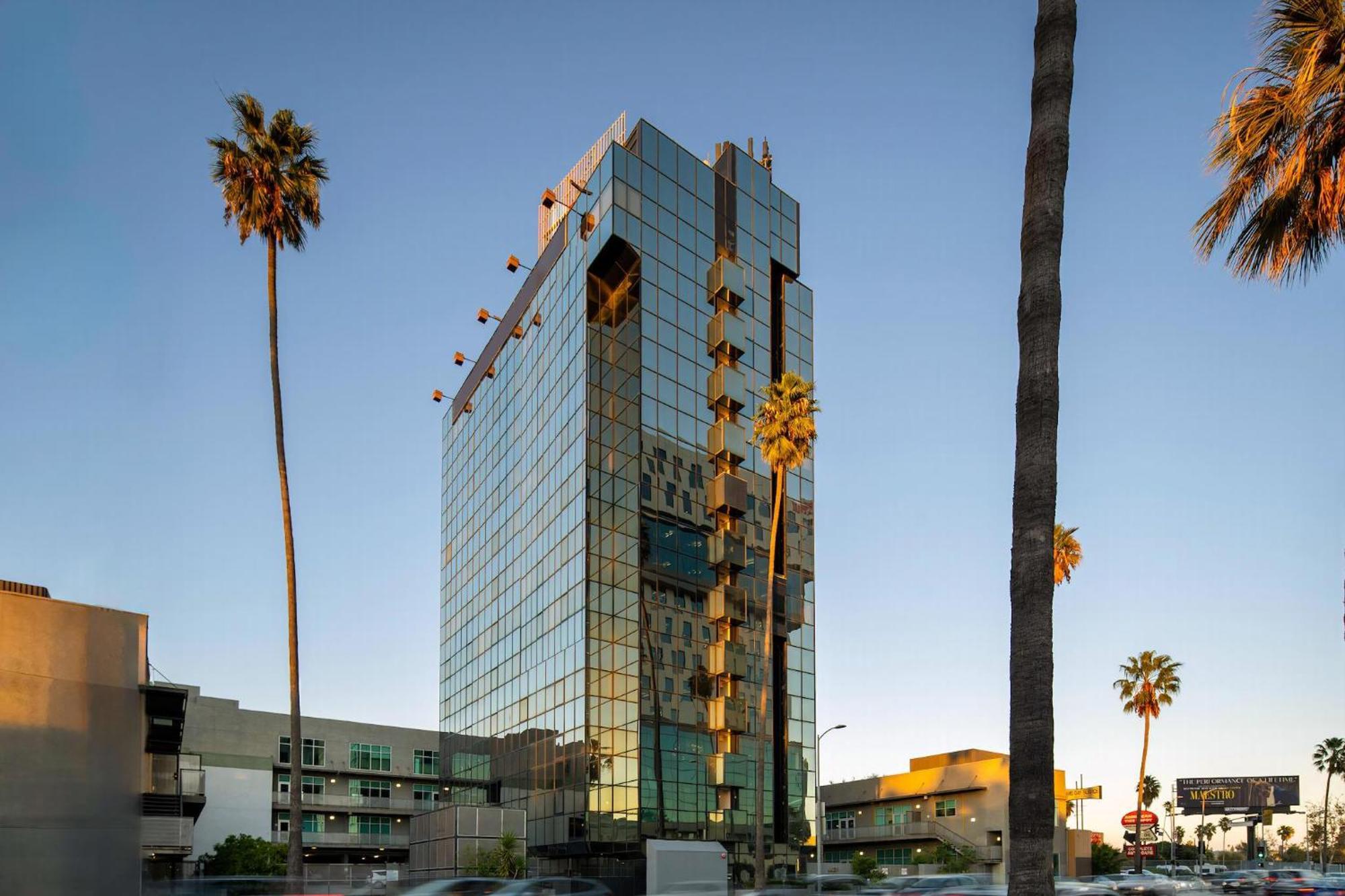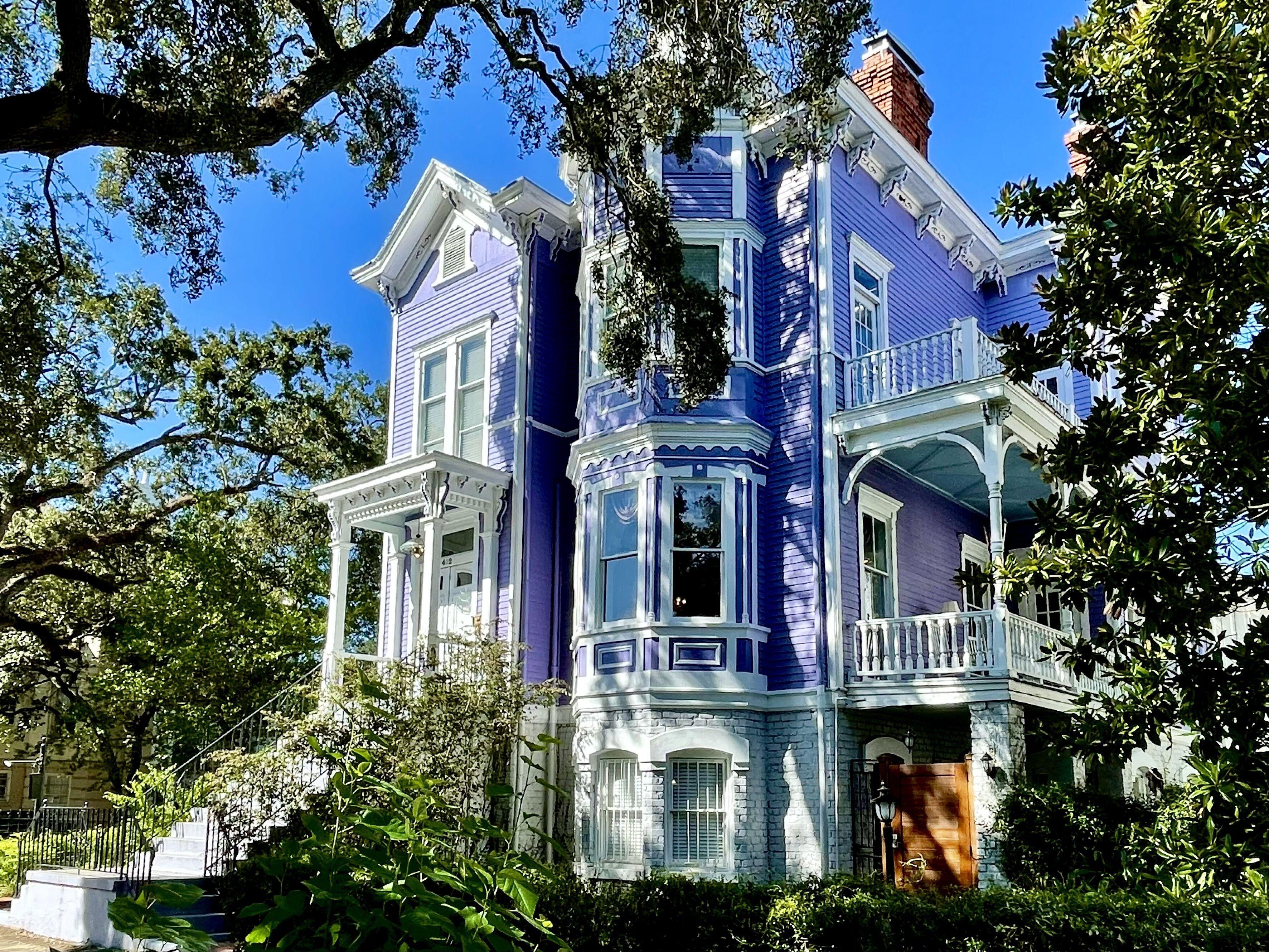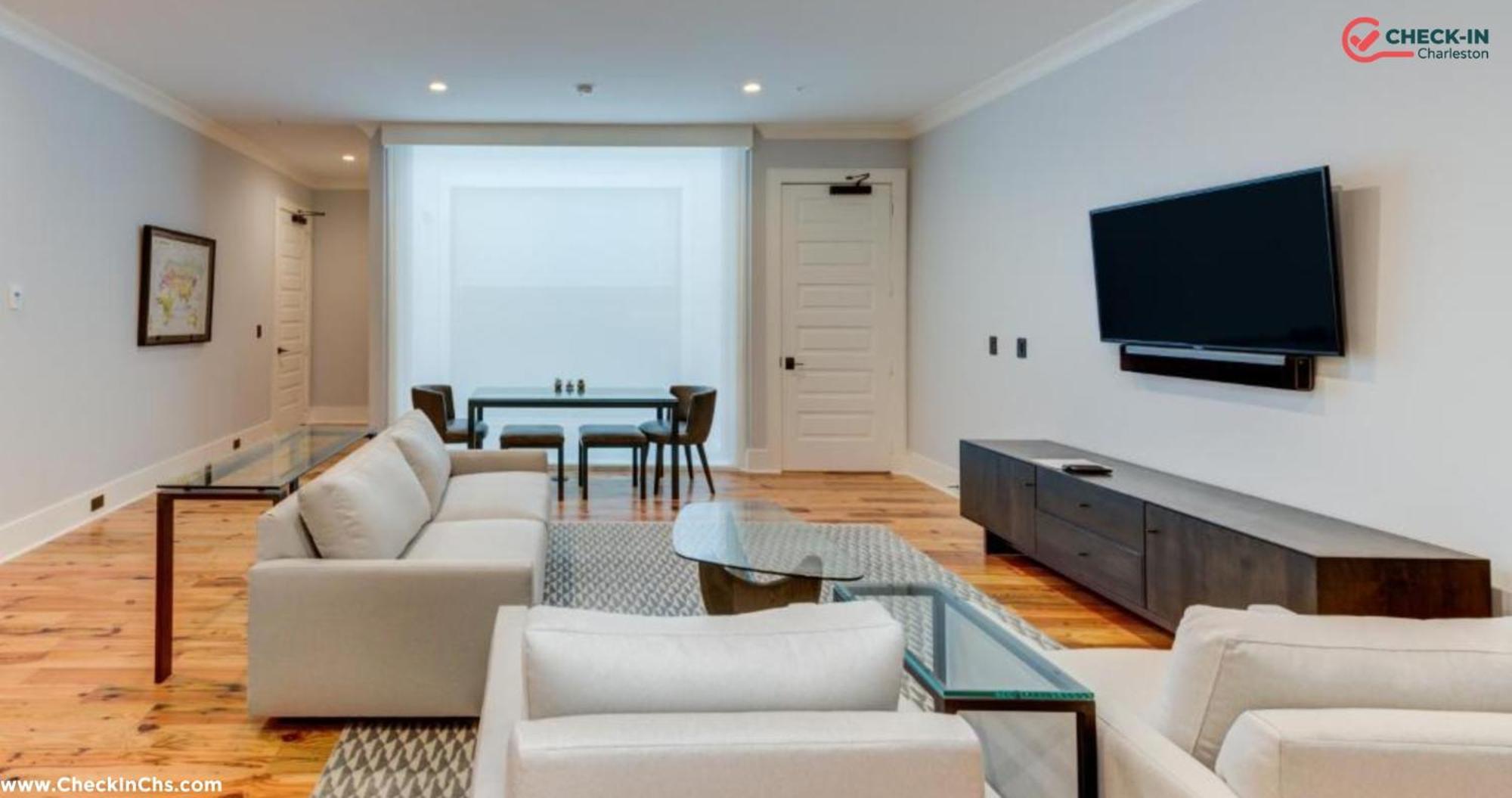
Midtown West is Manhattan's most logistically loaded district - Times Square, Madison Square Garden, Broadway, and Hudson Yards all fall within its boundaries. These three 4-star hotels sit at different points across the neighborhood, each with a distinct position relative to the main transit hubs and noise corridors. This guide breaks down what each property actually delivers, where it sits, and when it makes financial sense to book.
What It's Like Staying In Midtown West
Midtown West covers the stretch of Manhattan from 34th Street up to 59th Street, west of Fifth Avenue - a zone where foot traffic never fully stops, even after midnight near Times Square. Subway access is dense: the A, C, E lines run along Eighth Avenue, the 1, 2, 3 lines run along Seventh, and the N, Q, R, W lines cut through the core, putting most of the island within around 20 minutes. The crowd pattern shifts by sub-zone - the blocks nearest Times Square stay tourist-heavy throughout the day, while the Hell's Kitchen corridor (west of Ninth Avenue) runs quieter, with a strong local restaurant and bar scene from 46th to 54th Street.
Hotel density here is among the highest in New York City, which means rates are competitive but rooms tend to run smaller than equivalent-star properties in Brooklyn or the Upper West Side. Those staying for Broadway shows, MSG events, or conventions at the Javits Center benefit directly from being in-district; those prioritizing calm or space for the money may find Midtown East or Chelsea a more practical base.
Pros:
- * Unmatched subway coverage - multiple lines within a 5-minute walk from most hotels
- * Broadway theaters, Madison Square Garden, and Rockefeller Center all reachable on foot
- * High concentration of dining options across every price point, especially in Hell's Kitchen
Cons:
- * Noise levels near Times Square remain elevated well past midnight, even in soundproofed rooms
- * Sidewalk congestion on 42nd to 45th Street makes short walks significantly slower during peak hours
- * Hotel rooms average smaller than comparable 4-star properties outside of Midtown Manhattan
Why Choose 4-Star Hotels In Midtown West
Four-star hotels in Midtown West occupy a practical middle ground: they offer structured services - 24-hour front desks, daily housekeeping, fitness centers, and business facilities - without the premium pricing of the area's five-star corridor along Fifth Avenue and Central Park South. Room sizes in 4-star Midtown West properties typically run between 200 and 280 square feet for standard doubles, which is standard for Manhattan but noticeably tighter than equivalent categories in outer boroughs or New Jersey alternatives. The trade-off is access: everything a visitor needs is within walking distance or one subway stop.
Compared to 3-star options in the same area, 4-star hotels in this district consistently deliver soundproofed rooms, in-room safes, and on-site fitness centers - details that matter when staying near a 24-hour noise environment like Times Square. Rates at 4-star properties here can run around 30% higher than 3-star alternatives, but that gap closes considerably when you factor in the cost and time of commuting from cheaper outer-borough hotels to Midtown attractions.
Pros:
- * Soundproofed rooms standard across most 4-star properties - essential in this noise corridor
- * On-site amenities (fitness centers, business centers, concierge) eliminate the need for paid day passes elsewhere
- * Daily housekeeping and structured front desk coverage suits both leisure and business travelers equally
Cons:
- * Room sizes are constrained by Manhattan real estate - 4-star does not translate to spacious here
- * Valet parking adds a meaningful daily cost on top of already high room rates
- * Rooftop or bar amenities often require reservations and are not always accessible to guests on the same day
Practical Booking & Area Strategy
Within Midtown West, street positioning matters more than it does in quieter neighborhoods. Hotels on 8th Avenue between 44th and 52nd Street sit in the sweet spot: walkable to Times Square in under 10 minutes, close to the A/C/E subway entrance at Port Authority, and buffered enough from the 42nd Street tourist core to avoid the worst of the pedestrian gridlock. West 46th Street through West 54th Street (the Restaurant Row and Hell's Kitchen corridor) offers the most practical base for visitors combining Broadway shows with evening dining - the walk from most hotels on these blocks to a Broadway theater is under 8 minutes.
The Javits Center sits on 11th Avenue at 34th Street; guests attending conventions there should prioritize hotels in the southern portion of the district to avoid long crosstown walks. For transport to JFK or LaGuardia, the E train from 50th Street or 42nd Street Port Authority offers direct access without the cost of a taxi. Book at least 6 weeks in advance for September-November and December stays, when Broadway season peaks, Fashion Week drives up demand, and the Macy's Thanksgiving Parade fills every hotel block in the corridor. January and February represent the lowest-demand window, with rates often dropping significantly and near-zero wait times at major attractions.
Best Value Stays
These two properties offer structured 4-star services at positioning points that maximize access to the main Midtown West corridors, with pricing that reflects competitive value within the district.
-
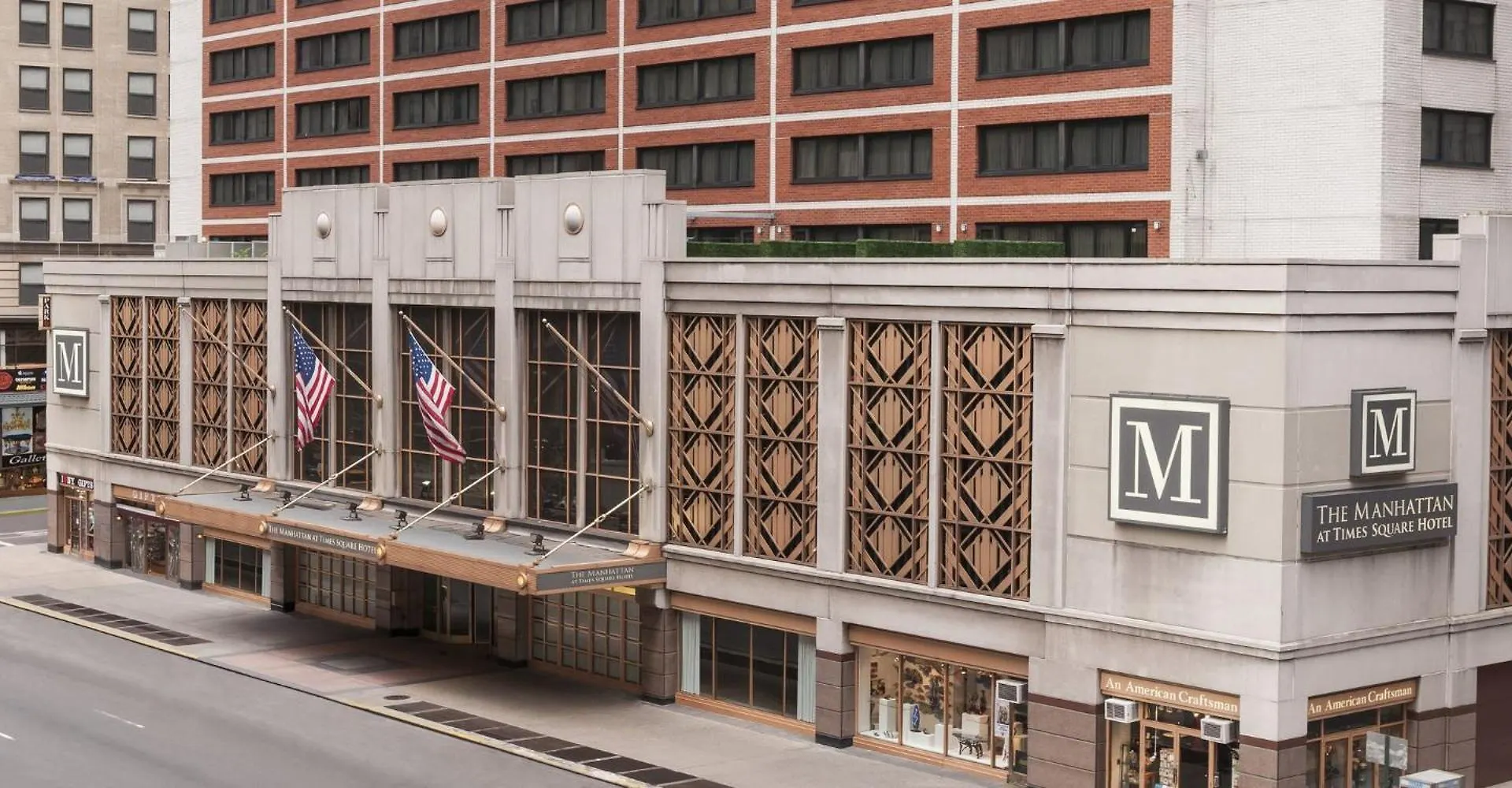
1. The Manhattan At Times Square Hotel
Show on map


 Check-infrom 16:00 until 23:59Check-outuntil 12:00
Just a few rooms left at the best rate!
fromUS$ 86
-
2. Hotel Hayden New York
Show on map


 Check-infrom 15:00 until 23:59Check-outuntil 12:00
Hurry – almost gone at this price!
fromUS$ 145
Best Premium Stay
For guests prioritizing on-site dining, rooftop access, and a broader amenity set within the Times Square corridor, this property delivers the most complete package of the three.
-
3. Aliz Hotel Times Square
Show on map


 Check-infrom 15:00 until 23:59Check-outfrom 04:00 until 11:00
Rooms filling fast – secure the best rate!
fromUS$ 152
Smart Travel & Timing Advice
Midtown West hotels see their highest demand - and sharpest rate increases - during three distinct windows: the summer peak from late June through August, the Broadway fall season from September through November, and the December holiday period anchored by the Macy's Thanksgiving Parade and New Year's Eve in Times Square. Booking at least 6 weeks before a December or October stay is the single most effective cost-control lever available, as last-minute availability in those windows is either scarce or priced well above shoulder-season rates. January through early March is the district's quietest period - wait times at Rockefeller Center, MoMA, and Top of the Rock drop sharply, and hotel rates often reflect a meaningful discount compared to peak months.
Three nights is the practical minimum for a Midtown West stay that covers both day-time attractions and evening Broadway or MSG programming without feeling rushed. Mid-week stays (Monday through Thursday) consistently price lower than weekend rates in this district, as leisure travelers dominate the weekend demand curve. For anyone attending a single MSG event or Broadway show, a two-night stay timed around the event removes the transport variable entirely and often nets out cheaper than a cheaper outer-borough hotel with two round-trip taxi or rideshare fares factored in.