Fairbanks sits at the heart of Interior Alaska, a city built for extremes - from the midnight sun in summer to sub-zero aurora season in winter. Choosing the right 3-star hotel here means balancing proximity to downtown, access to wilderness tour operators, and practical amenities that hold up in serious cold. This guide covers the four strongest mid-range options available, with direct comparisons to help you book with confidence.
What It's Like Staying in Fairbanks
Fairbanks is a working frontier city, not a polished resort hub - and staying here rewards travelers who come prepared. The downtown core along Cushman Street and the Chena River is walkable, but most attractions, aurora viewing sites, and wilderness operators sit well outside city limits, making a car or shuttle access essential for around 90% of visits. Crowd patterns shift dramatically by season: summer brings midnight-sun sightseers and pipeline history tourists, while winter draws aurora chasers who book months ahead.
Most visitors need a car to reach top experiences like the Chena Hot Springs Road corridor or the TransAlaska Pipeline Viewpoint. Temperatures can drop below -40°F in January and February, which makes hotel amenities like indoor pools and free covered parking more than a luxury - they're logistical necessities.
Pros:
- Unique dual-season appeal: midnight sun in summer, northern lights in winter
- Hotels offer practical cold-weather amenities not found in warmer destinations
- Less tourist saturation than Anchorage, with more authentic Alaskan character
Cons:
- A car is essential - public transit options are extremely limited
- Aurora season hotels sell out fast, especially January through March
- Restaurant and entertainment options close early compared to larger cities
Why Choose a 3-Star Hotel in Fairbanks
In Fairbanks, 3-star properties hit a practical sweet spot: they provide reliable amenities like heated indoor pools, free breakfast, and fitness centers without the premium pricing of full-service lodges that cater to luxury aurora packages. Unlike basic motels on Airport Way, 3-star hotels here typically include complimentary hot breakfast - a real advantage when you're departing at dawn for a dog sledding tour or a 6 AM flight. Room sizes at this tier are noticeably larger than comparable pricing in Anchorage, often including mini-fridges and microwaves as standard.
Free parking is standard across 3-star Fairbanks hotels, which matters when you're renting a vehicle for wilderness access. The trade-off is that these properties are spread across different zones - downtown locations add walkability but can mean smaller lots, while airport-adjacent options trade convenience for character.
Pros:
- Free hot breakfast included at most properties - critical for early-departure days
- Free parking as standard, unlike urban 3-star hotels in other U.S. cities
- Practical amenities (microwaves, mini-fridges) that support multi-night self-catering
Cons:
- Limited on-site dining beyond breakfast at most properties
- Some properties are far from downtown, requiring a car for every outing
- Aurora season demand pushes rates up sharply, reducing the value-tier advantage
Practical Booking & Area Strategy in Fairbanks
The two main hotel corridors in Fairbanks are downtown along Cushman Street and the riverfront, and the Airport Way/University Avenue zone near Fairbanks International Airport and the University of Alaska Fairbanks campus. Downtown positioning puts you within walking distance of the Chena River waterfront, the Morris Thompson Cultural Center, and Pioneer Park - useful for first-time visitors who want orientation without a car for every errand. Airport Way properties trim transfer times to near zero but require driving for almost every activity.
For aurora viewing, properties further from the city center - including rural lodges on the outskirts - reduce light pollution, but mid-range hotels near downtown still offer competitive aurora viewing when paired with a short drive out to Cleary Summit or the Chena Hot Springs Road. Book at least 8 weeks ahead for any January-to-March stay; aurora season is Fairbanks' highest-demand window and properties sell out faster than summer. Top attractions include the Chena Hot Springs Resort day trip, the University of Alaska Museum of the North, and the TransAlaska Pipeline Viewpoint on Steese Highway - all requiring personal or tour transport.
Best Value Stays in Fairbanks
These properties deliver strong practical value - free breakfast, reliable amenities, and free parking - at competitive rates for the Fairbanks market, making them solid choices for budget-conscious travelers and those prioritizing logistics over location prestige.
-
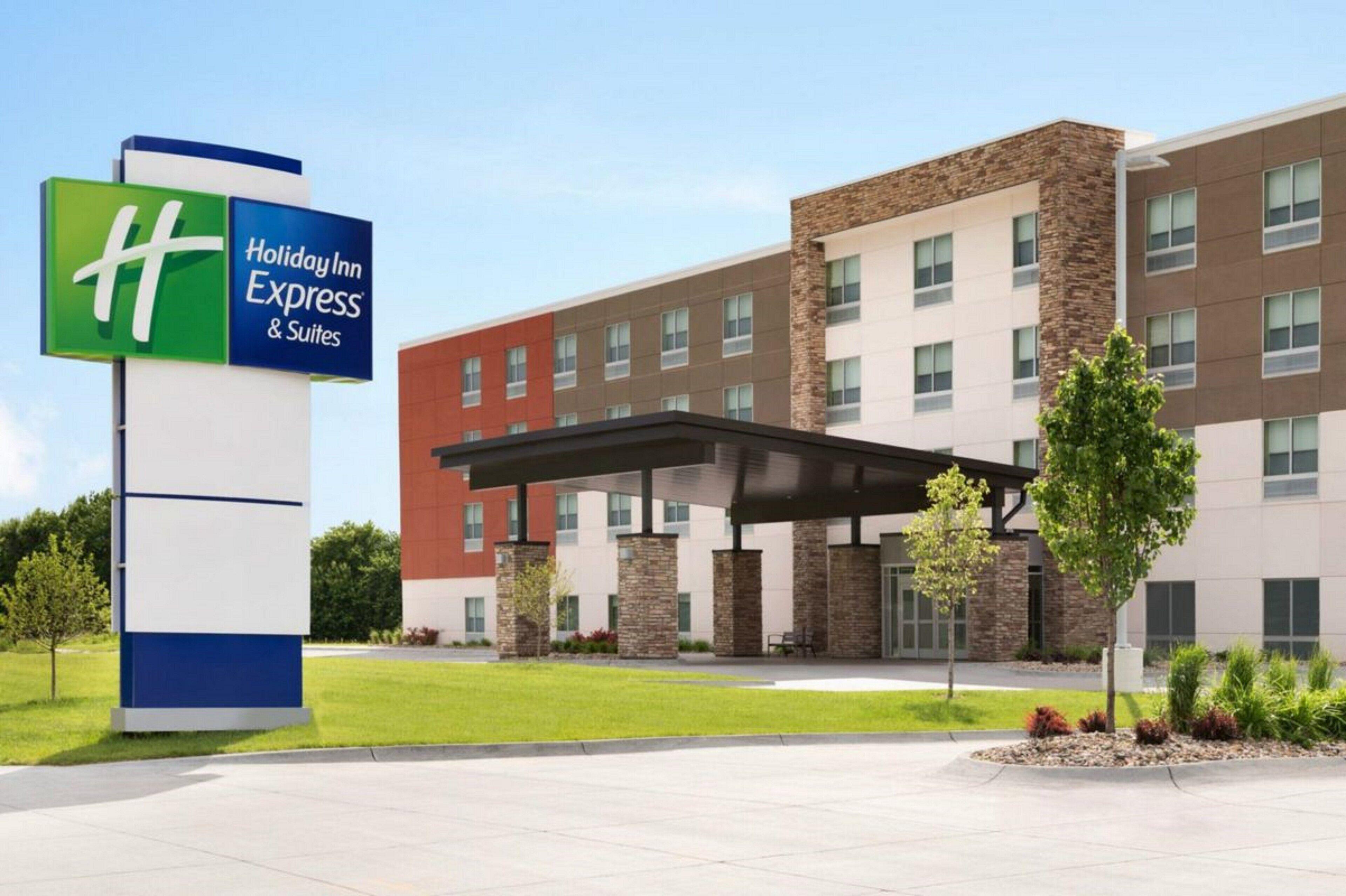
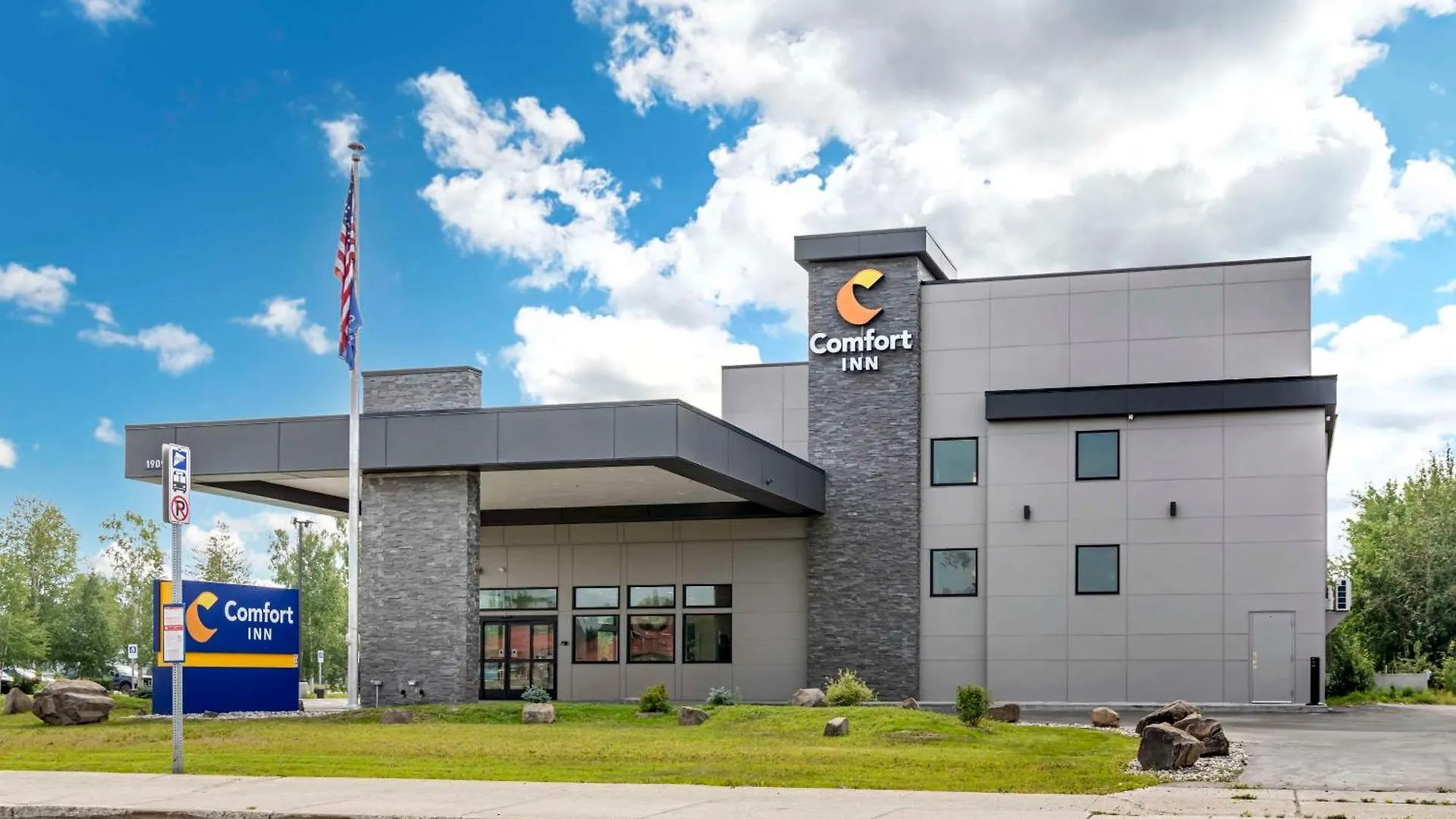
1. Comfort Inn Fairbanks
Show on map


 Check-infrom 15:00 until 23:59Check-outuntil 11:00
Just a few rooms left at the best rate!
fromUS$ 99
-
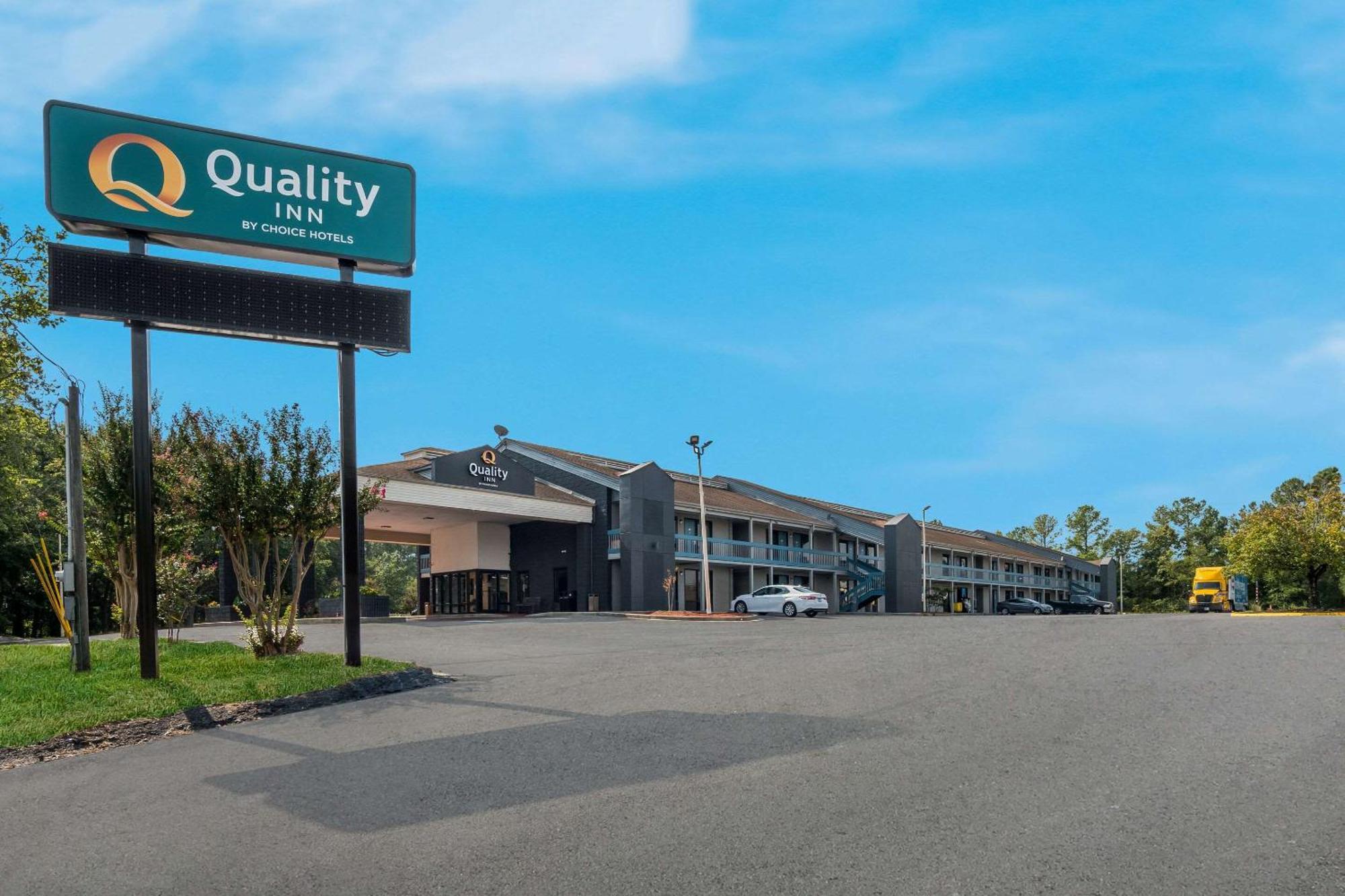
2. Northern Sky Lodge
Show on map


 Check-infrom 16:00 until 23:59Check-outuntil 11:00
Just a few rooms left at the best rate!
fromUS$ 179
Best Premium Stays in Fairbanks
These two properties offer enhanced amenities and stronger positioning - one anchoring the downtown core with Marriott-brand reliability, the other providing a mountain-view aparthotel experience with sightseeing tour access built into the stay.
-
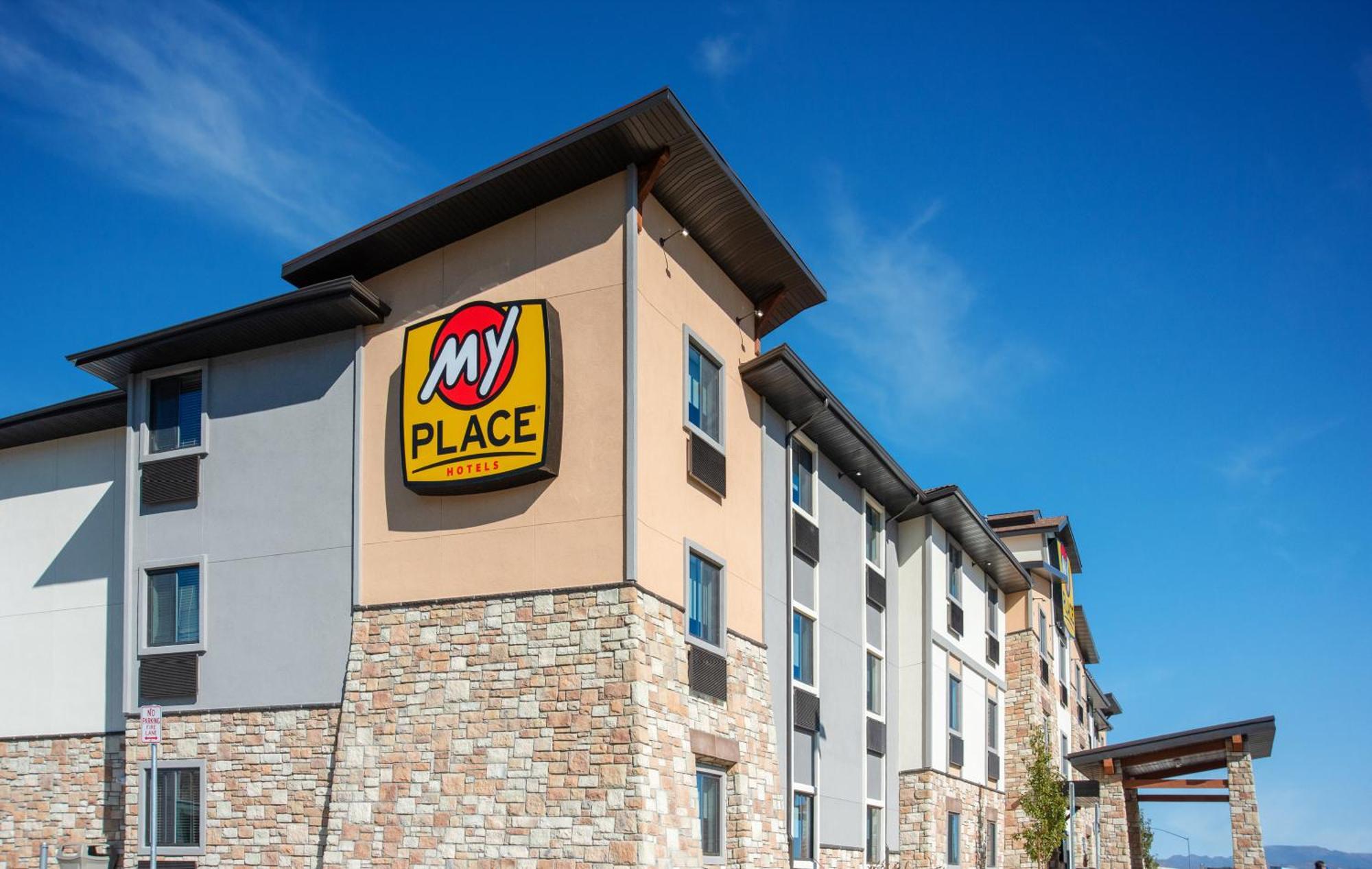
3. Springhill Suites By Marriott Fairbanks
Show on map


 Check-infrom 15:00 until 23:59Check-outuntil 11:00
Hurry – almost gone at this price!
fromUS$ 149
-
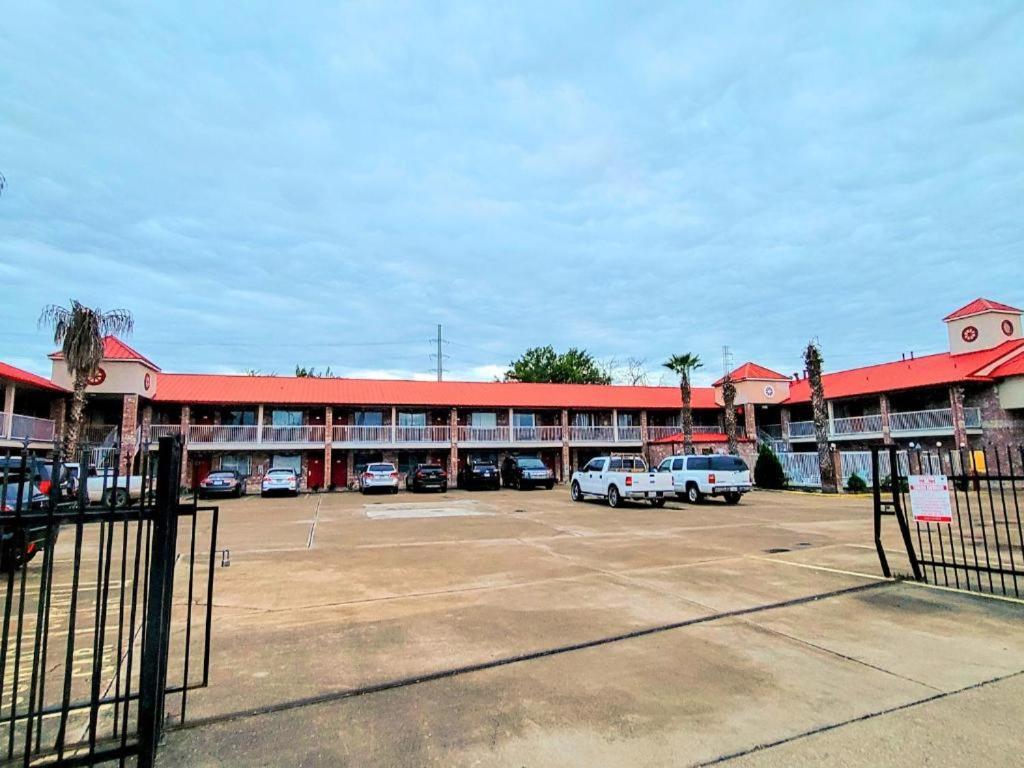
4. Aurora Villa
Show on map


 Check-infrom 15:00 until 23:59Check-outfrom 10:00 until 11:00
Rooms filling fast – secure the best rate!
fromUS$ 520
Smart Travel & Timing Advice for Fairbanks
Fairbanks operates on two distinct tourism peaks, and understanding them is key to booking smart. The aurora season from late September through March draws the highest demand, with January and February being the statistical peak for northern lights activity and consequently the most competitive booking window. Book aurora-season stays at least 8 weeks in advance to secure preferred properties at reasonable rates - prices at 3-star hotels can climb significantly as availability tightens. Summer runs from mid-June through August, driven by midnight-sun tourism and road-trippers on the Dalton Highway or Alaska Highway; this window is slightly more forgiving for last-minute bookings but still sells out at quality properties on weekends.
For ideal value, the shoulder months of April-May and September offer lower rates, manageable crowds, and - in September - a realistic aurora viewing window with temperatures still above deeply extreme lows. A minimum stay of 3 nights is recommended regardless of season: Fairbanks attractions require dedicated day-trip time, and a one-night pass-through misses the practical value of basing here. Early booking versus last-minute strategy is clear: last-minute deals in Fairbanks are rare during both peak windows, making advance planning the dominant approach for this destination.