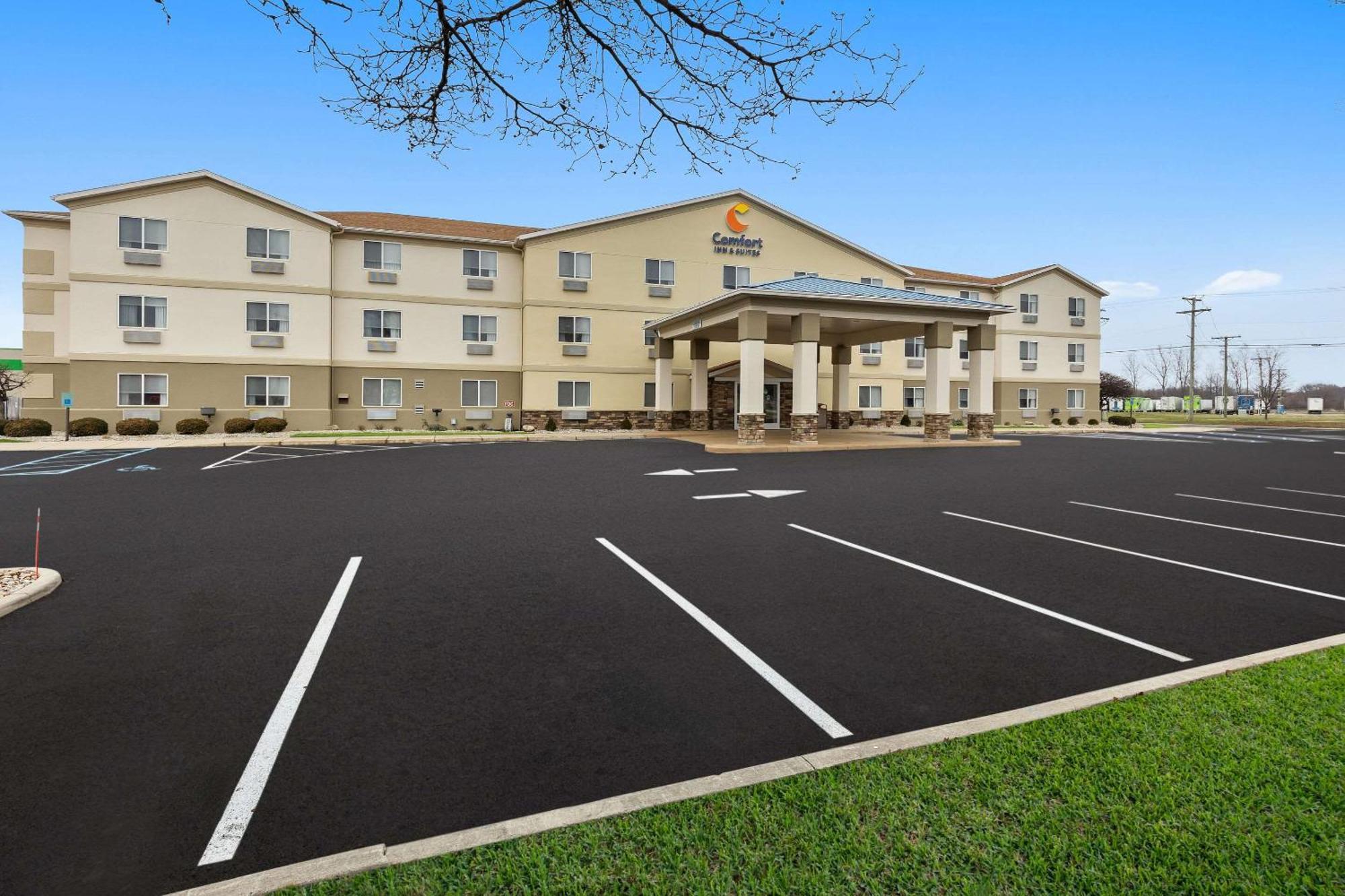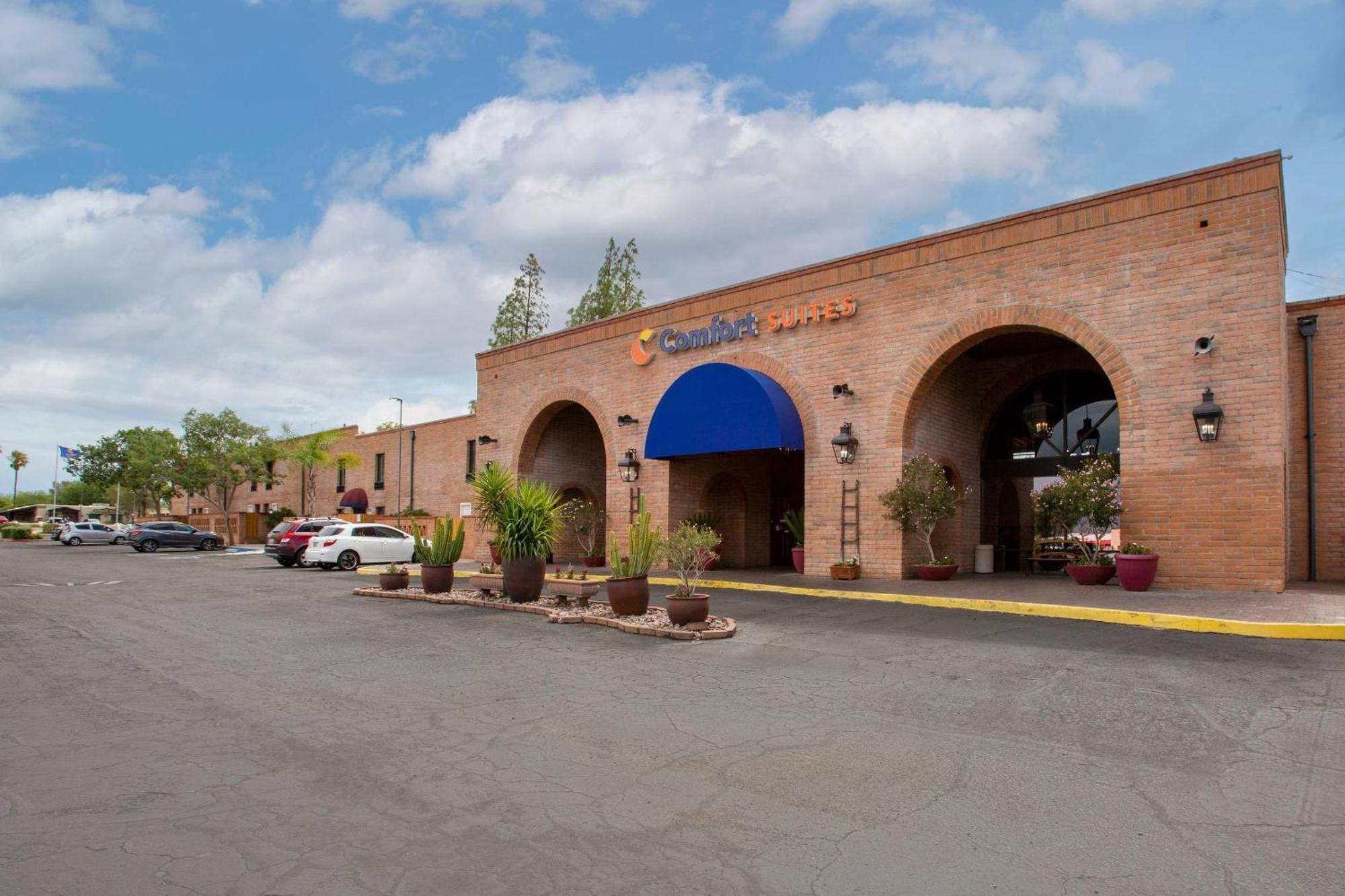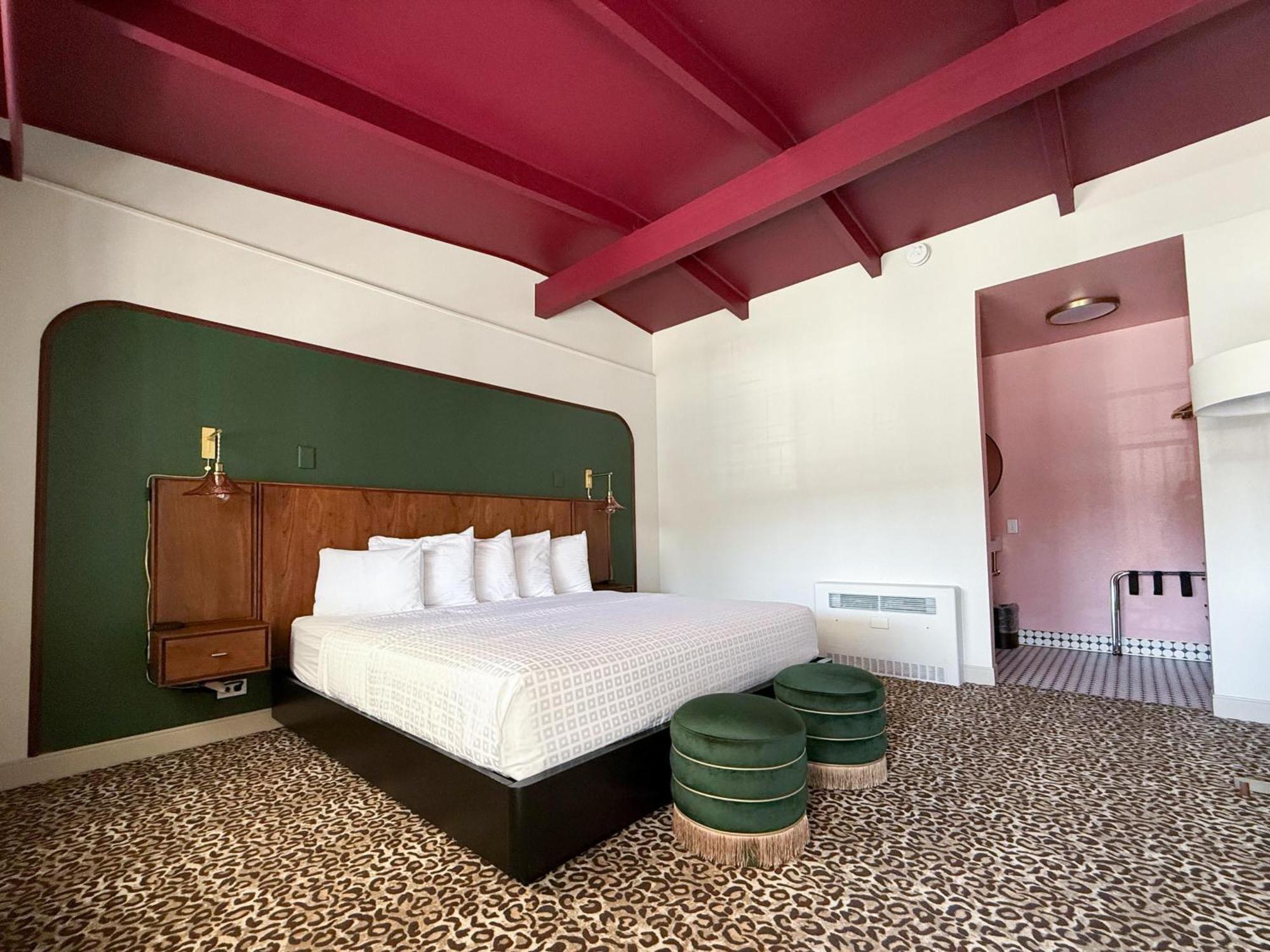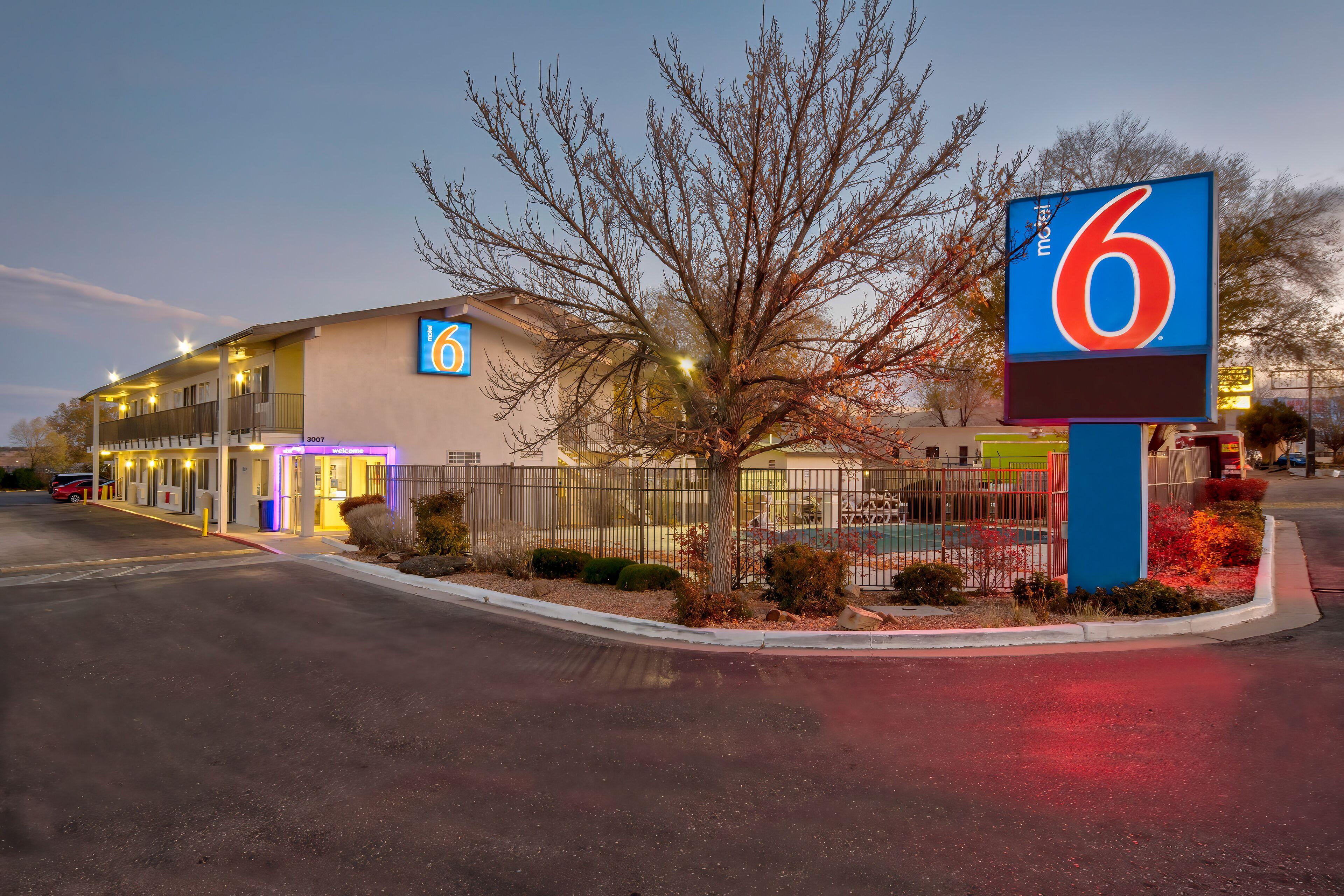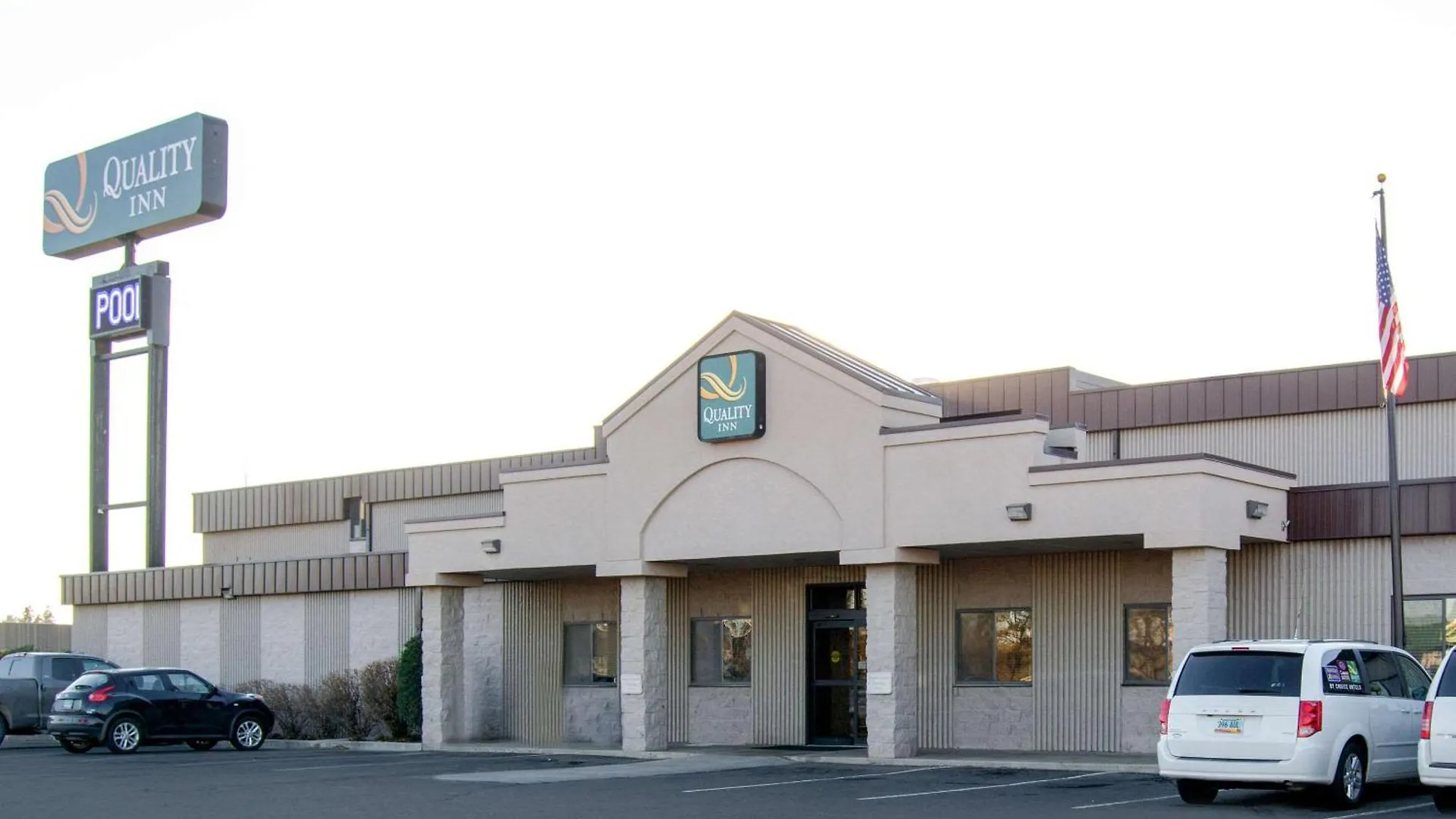
North Dakota doesn't have the tourism infrastructure of coastal states, which works in your favor if you're traveling on a budget. Accommodation costs here run significantly lower than the national average, and most budget hotels in cities like Bismarck and Grand Forks come with free parking, indoor pools, and complimentary breakfast - amenities that cost extra elsewhere. This guide covers the 4 best cheap hotels in North Dakota, with honest breakdowns of what each property actually delivers for the price.
What It's Like Staying in North Dakota
North Dakota is one of the least-visited states in the U.S., which means shorter lines, lower hotel rates, and a noticeably quieter travel experience. The state is best known for the Theodore Roosevelt National Park, the badlands landscape in the west, and the Missouri River corridor running through Bismarck. Most travelers arrive by car, and driving is essential - public transit between cities is minimal, and distances between attractions can exceed 100 miles. Budget travelers benefit most here, since even mid-tier hotels often include amenities like indoor pools and free airport shuttles at no extra cost. Travelers expecting walkable city cores or a dense dining scene may find North Dakota underwhelming, particularly in smaller towns.
Pros:
- Hotel rates are among the lowest in the northern U.S., with budget options averaging around 30% below the national average
- Free parking is nearly universal at budget properties, eliminating a common hidden cost
- Bismarck and Grand Forks both have airports with direct flights, making arrival logistics straightforward
Cons:
- A car is non-negotiable - attractions are spread across long distances with no meaningful public transport
- Dining and nightlife options are limited outside of Bismarck and Grand Forks city centers
- Winters are extreme, with temperatures dropping well below freezing and road conditions that can disrupt plans
Why Choose Budget Hotels in North Dakota
Budget hotels in North Dakota consistently punch above their price point. Unlike budget properties in high-demand markets, North Dakota's affordable hotels regularly include heated indoor pools, hot tubs, fitness centers, and complimentary breakfast - features that in states like Colorado or Minnesota come at a premium. Room sizes at budget properties here tend to be more generous, with many offering suites or rooms with full-size refrigerators and microwaves as standard. The main trade-off is location: budget hotels are typically positioned near highway interchanges like I-94 rather than downtown cores, meaning you'll need a car for most activities. For road trippers, state park visitors, or business travelers passing through, this positioning is actually practical. Travelers wanting to walk to restaurants or cultural sites from their hotel will find the distance inconvenient.
Pros:
- Most budget hotels include breakfast, indoor pools, and free parking - no upsell required
- Highway-adjacent locations make early check-outs and cross-state driving efficient
- Rooms frequently include microwaves and mini-fridges, reducing meal costs further
Cons:
- Interstate locations require driving to reach most restaurants, parks, and city attractions
- Aesthetic quality is functional rather than distinctive - these are not design hotels
- Demand from oil industry workers and state government travelers can reduce availability, especially midweek in Bismarck
Practical Booking & Area Strategy
North Dakota's two main travel hubs - Bismarck in the center-west and Grand Forks in the east - serve very different traveler profiles. Bismarck is the state capital and the logical base for visiting Fort Abraham Lincoln State Park, the North Dakota Heritage Center, and Theodore Roosevelt National Park (around 135 miles west). Grand Forks is better suited to travelers visiting the University of North Dakota, the Turtle River State Park, or crossing into Manitoba, Canada. Both cities have regional airports with connections to Minneapolis and Denver. Book at least 3 weeks in advance for summer travel (June through August), when leisure travelers and outdoor enthusiasts push occupancy higher. Spring and fall offer the best balance of price and weather, while winter rates drop significantly but road travel becomes unpredictable. Hotels near I-94 in Bismarck offer the most practical positioning for multi-stop road trips across the northern plains.
Best Value Stays
These properties offer the strongest combination of included amenities and low nightly rates, making them the most practical choices for budget travelers driving through or exploring North Dakota's main corridors.
-
1. Best Western Roosevelt Place
Show on map


 Check-infrom 15:00 until 23:59Check-outuntil 11:00
Just a few rooms left at the best rate!
fromUS$ 67
-
2. Quality Inn Bismarck I-94
Show on map


 Check-infrom 15:00 until 23:59Check-outuntil 11:00
Just a few rooms left at the best rate!
fromUS$ 65
Best Budget Picks in Grand Forks
Grand Forks offers two well-equipped budget hotels within easy reach of the University of North Dakota and the city's main amenities - both include indoor pools and free parking, with meaningful differences in proximity and room configuration.
-
3. Amerivu Inn And Suites
Show on map


 Check-infrom 15:00 until 23:59Check-outuntil 11:00
Hurry – almost gone at this price!
fromUS$ 69
-
4. Americinn By Wyndham Grand Forks
Show on map


 Check-infrom 15:00 until 23:59Check-outuntil 11:00
Rooms filling fast – secure the best rate!
fromUS$ 76
Smart Travel & Timing Advice for North Dakota
The optimal window for visiting North Dakota is late May through early September, when Theodore Roosevelt National Park, the Maah Daah Hey Trail, and Missouri River activities are fully accessible. Summer weekends in Bismarck fill up faster than expected due to state government events, university functions in Grand Forks, and the Medora Musical season running through August - book these dates at least 4 weeks out. Shoulder season (late April and October) offers meaningfully lower rates and thinner crowds, with daytime temperatures still manageable for outdoor activities. Winter travel from November through March is viable for budget hunters since rates drop sharply, but blizzard conditions can close I-94 with little warning, making flexible itineraries essential. A minimum of 2 nights in each city is recommended to make the driving worthwhile - one night barely covers the transit time between major attractions. Last-minute deals are more common in spring and fall than in summer, when demand from outdoor travelers is more predictable.