Ripa (Rione XII) sits on Rome's left bank, anchored by Aventine Hill, the Circus Maximus, and the Bocca della Verità - a cluster of landmarks that draws fewer crowds than the Centro Storico but packs just as much historical density. Staying here means choosing a quieter rhythm over tourist-saturated streets, with fast tram and bus connections that put the Colosseum, Trastevere, and Campo de' Fiori within around 20 minutes. This guide compares the best 4-star hotels in Ripa to help you decide whether this district fits your trip.
What It's Like Staying in Ripa
Ripa is one of Rome's most residential and historically layered districts, running along the Tiber between the Theatre of Marcellus and the Porta San Paolo. Unlike Trastevere one bridge away, Ripa draws almost no bar-hopping crowds at night, which makes sleep quality noticeably higher. The district is well-served by tram lines 3 and 8 along Viale Aventino and Lungotevere, connecting guests to Largo di Torre Argentina in around 20 minutes. Most major landmarks - Circus Maximus, Giardino degli Aranci, and Bocca della Verità - are within a 10-minute walk, while the Colosseum is reachable on foot in around 30 minutes through the Aventine. Ripa rewards walkers who want authentic Roman streets without the noise toll of staying inside the tourist core.
Pros:
- * Significantly quieter at night than Trastevere or the Centro Storico, with residential streets that rarely see tourist foot traffic after 10pm
- * Direct tram connections (lines 3 and 8) link the district to Campo de' Fiori, the Jewish Ghetto, and Piazza Venezia without requiring the metro
- * Walking access to Circus Maximus, Bocca della Verità, Giardino degli Aranci, and Tiber Island makes this one of Rome's most landmark-dense districts per square kilometre
Cons:
- * Limited restaurant and bar options after 9pm compared to Trastevere, requiring a short tram or walk to find late-night dining
- * The hill gradient on Aventine makes some streets steep and less suitable if mobility is a concern
- * Hotel supply in Ripa is smaller than in the Centro Storico, meaning rooms book up faster during peak season and fewer last-minute deals are available
Why Choose a 4-Star Hotel in Ripa
Four-star hotels in Ripa offer a noticeably different stay than their equivalents in the Centro Storico or near Termini: room sizes tend to be larger, noise levels lower, and the overall atmosphere more composed. Rates in Ripa run around 20% lower than comparable 4-star properties near the Trevi Fountain or Spanish Steps, reflecting the district's lower tourist density rather than any compromise in quality. Breakfast included in the rate is common at this category, which matters in a neighbourhood where morning cafes are fewer than in busier zones. The trade-off is honest: Ripa's 4-star hotels require guests to factor in short transit times to reach high-traffic sights like the Pantheon or Piazza Navona, which are roughly 3 kilometres away. For travellers who prioritise sleep, space, and value over walking-distance convenience, the trade-off holds up well.
Pros:
- * Larger average room size compared to 4-star hotels in the tourist core, where footprints are compressed by historic building constraints
- * Lower ambient noise means better sleep quality - a real differentiator for travellers doing multi-day itineraries with early morning starts
- * Competitive nightly rates without dropping to 3-star standards in terms of facilities (fitness centres, daily housekeeping, concierge services)
Cons:
- * Fewer dining options within immediate walking distance compared to hotels positioned in Trastevere or Prati
- * Limited hotel inventory in this category means availability tightens early during Easter, summer, and major religious events
- * Some properties rely on bus or tram access to reach key sights, which requires planning if you have a packed day itinerary
Practical Booking & Area Strategy for Ripa
The best-positioned streets in Ripa for 4-star stays are along Viale Aventino and Via Marmorata, both of which give direct tram access and are flat enough for comfortable walking. Via Lungotevere Aventino offers riverside positioning and proximity to Tiber Island - useful if your itinerary includes the Jewish Ghetto or Campo de' Fiori. The Circo Massimo Metro B stop provides a reliable connection to Termini and onward rail links, reducing reliance on the bus network during peak hours. Ripa sees its highest hotel demand from late March through June and again in September, when the city fills with cultural travellers - booking at least 6 weeks ahead during these windows secures both availability and better rates. At night, the district is safe and well-lit along main roads, though narrow side streets near the Aventine can feel isolated; sticking to Viale Aventino or Lungotevere Aventino after dark is the practical move. Key things to do within Ripa include visiting the Bocca della Verità at Santa Maria in Cosmedin, walking the Roseto Comunale (Rome's municipal rose garden), taking in the Knights of Malta keyhole view on Piazza dei Cavalieri di Malta, and watching the midday cannon fire from Gianicolo Hill nearby.
Best Value Stays in Ripa
These properties offer strong 4-star standards at accessible price points, making them the sharpest choices for travellers who want comfort and facilities without paying a premium for postcard positioning.
-
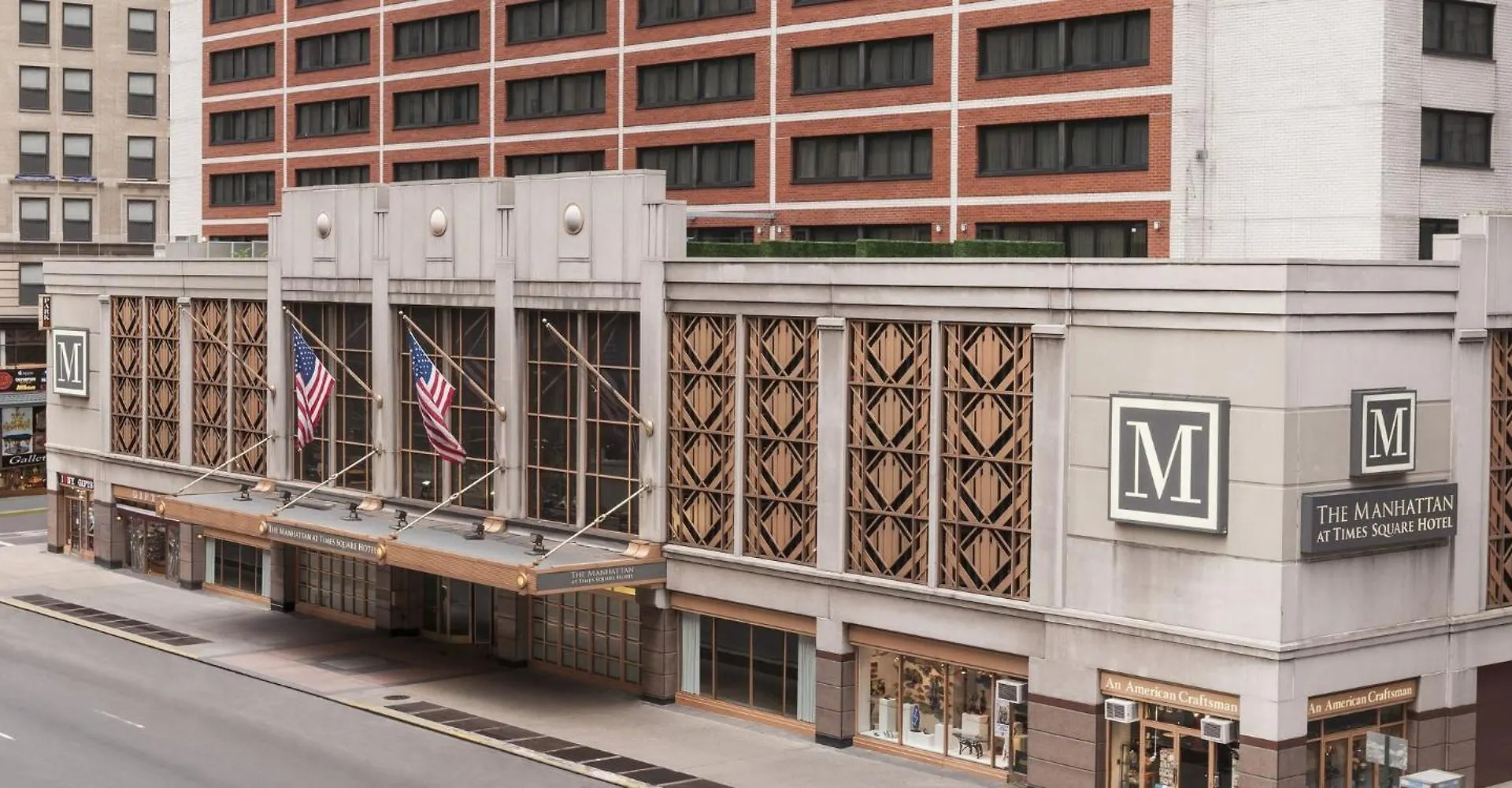
1. The Manhattan At Times Square Hotel
Show on map


 Check-infrom 16:00 until 23:59Check-outuntil 12:00
Just a few rooms left at the best rate!
fromUS$ 86
-
2. Hotel Hayden New York
Show on map


 Check-infrom 15:00 until 23:59Check-outuntil 12:00
Hurry – almost gone at this price!
fromUS$ 145
Best Premium Stay in Ripa
This property stands out for its added facilities and elevated room configuration, making it the strongest choice for travellers who want more than standard 4-star comfort during their time in Ripa.
-
3. Aliz Hotel Times Square
Show on map


 Check-infrom 15:00 until 23:59Check-outfrom 04:00 until 11:00
Rooms filling fast – secure the best rate!
fromUS$ 152
Smart Travel & Timing Advice for Ripa
Ripa is at its most liveable between mid-September and early November, when temperatures drop below 25°C, the summer tourist wave has receded, and the rose garden and Aventine gardens are at their most atmospheric. April through June is peak booking season - Holy Week alone can see Ripa hotels fill 6 weeks in advance, and rates during Easter week typically spike sharply. July and August bring the highest crowds to the Bocca della Verità and Circus Maximus, while the neighbourhood itself stays relatively calm after dark. A 3-night stay is the practical minimum to explore Ripa properly alongside day trips to the Centro Storico and Vatican; anything shorter means spending more time in transit than in the district itself. For last-minute bookings, late November to mid-February offers the softest rates and thinnest crowds in Ripa, though some restaurants and smaller hotels run reduced hours. Booking 4 to 6 weeks ahead for spring and early autumn stays is the most reliable approach to secure both availability and comparable rates across all three properties in this guide.