Old Town Chinatown sits at the geographic and historical core of Portland, straddling the Willamette River waterfront and the edge of the Pearl District. Staying here puts you within direct walking distance of Lan Su Chinese Garden, Governor Tom McCall Waterfront Park, and Portland Union Station - while keeping you connected to the rest of the city via the MAX Light Rail running along the district's main corridors. If you're weighing where to base yourself in Portland, this district rewards guests who want proximity to the city's most layered, architecturally rich blocks without retreating to a sanitized hotel zone.
What It's Like Staying in Old Town Chinatown Portland
Old Town Chinatown is one of Portland's oldest and most densely layered urban zones, where Victorian-era cast-iron facades share blocks with contemporary galleries and late-night bars. The district borders the Willamette River waterfront, which means morning walks to Tom McCall Park are genuinely under 10 minutes on foot from most hotels here. Street activity varies significantly by block - the area around W Burnside Street and NW 4th Avenue sees heavy foot traffic through the evening, while stretches closer to the waterfront are noticeably quieter after dark, which matters when choosing where to sleep.
Transit is a real strength: the MAX Yellow and Green lines, plus multiple bus routes along SW Morrison and Burnside, connect the district to Portland International Airport and the broader metro in under 40 minutes. Visitors who prioritize walkability to Portland's cultural core - the Saturday Market, Chinatown Gate, and the Pearl District's galleries - will get genuine value from a base here. Those sensitive to urban noise or seeking a quieter residential feel may find the Pearl District or the South Park Blocks a better fit.
Pros:
- Walking access to Lan Su Chinese Garden, the Portland Saturday Market, and Tom McCall Waterfront Park - all within 15 minutes on foot
- Direct MAX Light Rail access reduces transport friction to airports, convention centers, and outer neighborhoods
- Dense concentration of independent restaurants, food carts, and late-night venues within 3 blocks of most hotels
Cons:
- W Burnside Street corridor generates significant nighttime noise, especially on weekends - room placement matters
- Some blocks around NW 3rd and Couch Street experience visible urban social challenges, which can feel unsettling to some guests after dark
- Parking is limited and expensive; self-parking in the district typically costs around $35 per night at most properties
Why Choose Design Hotels in Old Town Chinatown Portland
Design-focused hotels in Old Town Chinatown don't just offer aesthetic value - they tend to be housed in buildings with genuine architectural history, which amplifies the experience of staying in one of Portland's most storied districts. Properties here often occupy converted warehouse structures or early 20th-century commercial buildings, giving rooms higher ceilings and more spatial character than standard chain rooms in suburban corridors. Rates at design hotels in this district typically run around 20% higher than comparable standard hotels in outer Portland neighborhoods, but the location premium eliminates most ground transport costs for city-focused trips.
Room sizes in this category vary: boutique-style design rooms in converted buildings average around 280 square feet, while larger resort-style properties near the waterfront offer more generous layouts with kitchen-equipped suites. Trade-offs include noise sensitivity - design hotels here often prioritize aesthetics over heavy soundproofing - and the fact that most properties are embedded in active commercial blocks, meaning foot traffic outside is constant during evenings. What differentiates this category from generic downtown hotels is the deliberate curation: art programs, locally sourced interiors, and branded wellness kits that reflect Portland's design and craft culture rather than generic brand standards.
Pros:
- Architectural character - many properties are set in cast-iron or early 20th-century commercial buildings with visible historical fabric
- Curated in-room experiences (art collections, wellness kits, craft beer hours) that generic chain hotels in the area don't offer
- Proximity to the Pearl District and Chinatown means design-conscious travelers can walk to Portland's most gallery-dense neighborhoods
Cons:
- Soundproofing is inconsistent - rooms facing active streets on Burnside or NW 4th can be noisy until late evening
- Design hotels here rarely include complimentary parking; budget around $35 per night if driving
- Smaller boutique properties may lack on-site dining, requiring guests to rely on the surrounding restaurant blocks for all meals
Practical Booking & Area Strategy for Old Town Chinatown
The strongest micro-location within the district is the stretch between NW 2nd Avenue and the waterfront along Tom McCall Waterfront Park - hotels positioned here benefit from river-facing quiet on one side and direct walkway access to Saturday Market and the Steel Bridge. NW 4th Avenue and W Burnside Street is the commercial spine, best for guests who want immediate access to food and nightlife but need to request upper-floor or interior-facing rooms to manage street noise. The Lan Su Chinese Garden on NW Everett Street is a reliable orientation landmark - any hotel within 700 meters of it is genuinely well-positioned for walkable access to both Chinatown and the Pearl District.
Portland Union Station on NW 6th Avenue handles Amtrak connections and serves as a MAX Light Rail hub, making the northern edge of the district especially practical for rail travelers. Peak demand hits in late July through mid-September during Portland's dry season, when rates across design hotels in this area rise considerably and availability shrinks. The Portland Saturday Market, running March through December on weekends, spikes foot traffic around the Waterfront Park blocks - book at least 6 weeks ahead if visiting during summer market weekends. Things to do within walking distance include the Chinatown Gate, the Classical Chinese Garden, Tom McCall Waterfront Park, the Pearl District galleries, and Powell's City of Books - all reachable on foot, making a car largely unnecessary for most stays.
Best Value Design Stays
These properties deliver strong location credentials and design-conscious features at a price point that makes them efficient choices for travelers who want character without a premium room rate.
-
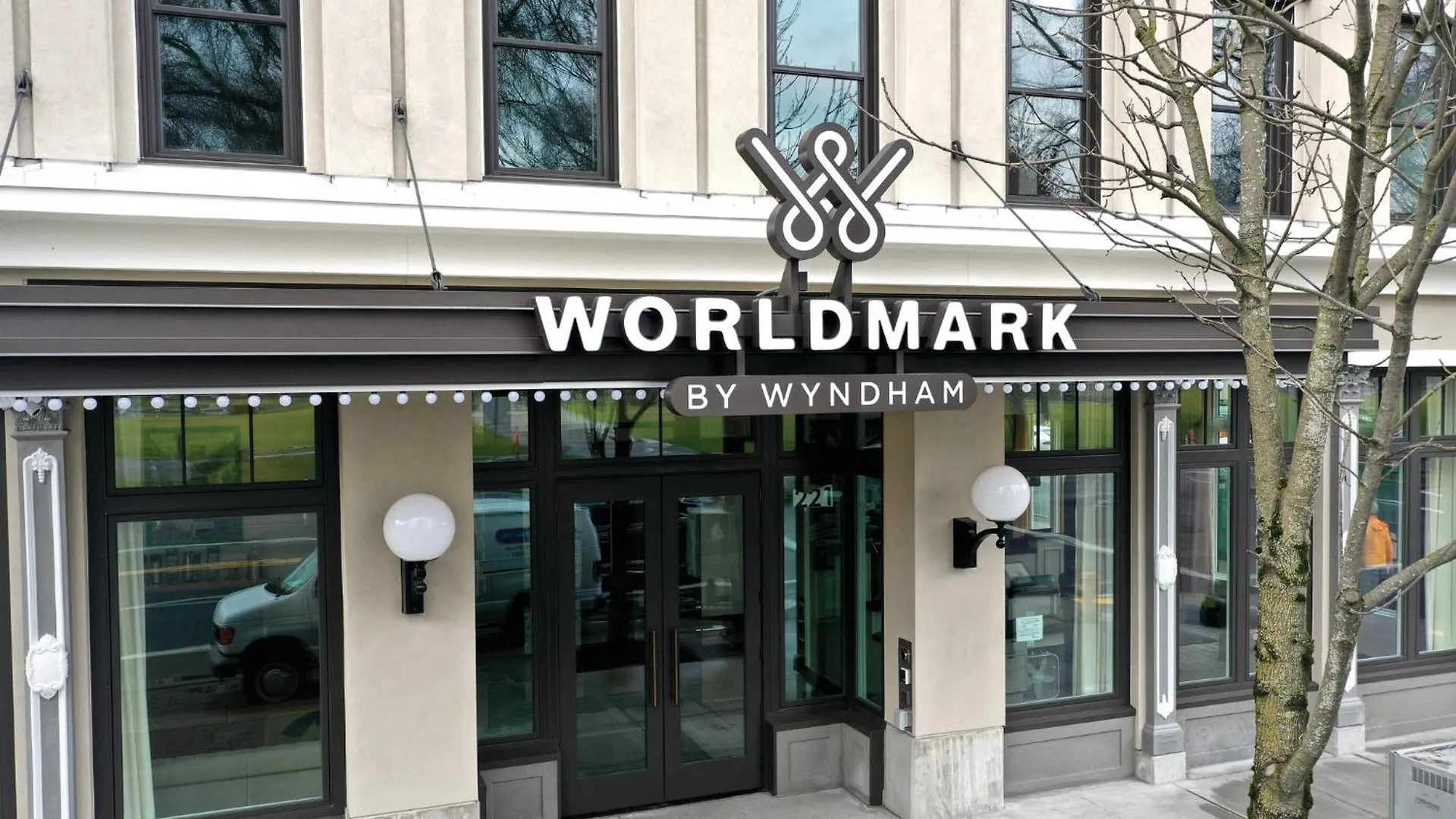
1. Worldmark Portland Waterfront Park
Show on map


 Check-infrom 16:00 until 23:59Check-outfrom 09:00 until 10:00
Just a few rooms left at the best rate!
fromUS$ 145
-
2. Courtyard By Marriott Portland City Center
Show on map


 Check-infrom 15:00 until 23:59Check-outuntil 12:00
Just a few rooms left at the best rate!
fromUS$ 68
Best Premium Design Stays
These properties distinguish themselves through curated design programs, notable architectural presence, or elevated amenity sets that justify a higher nightly rate in the Old Town Chinatown context.
-
3. Hotel Lucia
Show on map


 Check-infrom 16:00 until 23:59Check-outuntil 12:00
Hurry – almost gone at this price!
fromUS$ 104
-
4. The Hi-Lo, Autograph Collection
Show on map


 Check-infrom 15:00 until 23:59Check-outuntil 12:00
Hurry – almost gone at this price!
fromUS$ 140
-
5. Canopy By Hilton Portland Pearl District
Show on map


 Check-infrom 16:00 until 23:59Check-outuntil 12:00
Rooms filling fast – secure the best rate!
fromUS$ 178
-
6. The Benson Portland, Curio Collection By Hilton
Show on map


 Check-infrom 16:00 until 23:59Check-outuntil 12:00
Rooms filling fast – secure the best rate!
fromUS$ 134
Smart Travel & Timing Advice for Old Town Chinatown Portland
Portland's dry season runs from late June through September, and Old Town Chinatown feels the impact directly - the Portland Saturday Market, waterfront events, and outdoor dining along NW Couch Street all peak during this window. Hotel rates across design properties in this district rise sharply in July and August, with availability at well-reviewed 4-star options becoming thin by early June if you're targeting weekend dates. Booking 6 weeks in advance is the minimum for summer stays; for peak weekends with Saturday Market or local festivals, 8 weeks is more realistic.
The shoulder seasons - April through early June and October through November - offer the strongest balance of manageable weather, lower rates, and thinner crowds at attractions like Lan Su Chinese Garden and Tom McCall Waterfront Park. A 3-night stay is the practical minimum for guests who want to cover Old Town Chinatown, the Pearl District, and at least one outer neighborhood like Alberta Arts District or Southeast Portland without feeling rushed. Last-minute bookings in January and February can yield significant discounts at properties like The Hi-Lo and Canopy by Hilton, but Portland's wet-season rainfall is consistent and heavy during those months, which affects the walkable outdoor experience that makes this district worth staying in.